Positives
- More Pop vs. The Older Model And The Flagship
- Narrower Reference Stance
- Super Fast Base
- Great Grip
- Great Float For A Big Mtn Board
Negatives
- Still Could Use More Pop
- Can Wash Out For Some Who Carve Really Hard
- Not the Best Spring Out Of A Turn
Summary
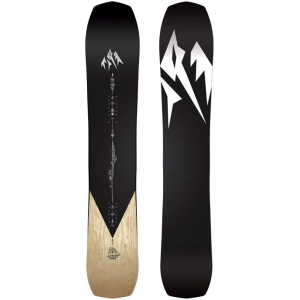
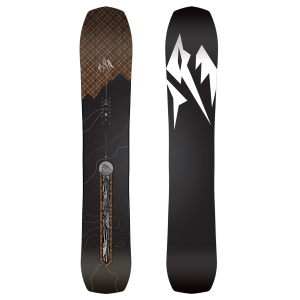
The 2027 Jones Flagship Pro is the same in terms of shape, camber profile, side cut, etc. However, it has some meaningful changes in terms of construction and stance location that make it a better board than the 24/25-25/26 models.Where To Buy
No obligation, but these links support the site.
Blauer Board Shop

Backcountry
evo
REI

Tactics
Stoked Board Shop


SnowCountry

PRFO Sports Canada
| Riding Style | Freeride |
| Riding Level | Intermediate - Expert |
| Fits Boot size (US) | 8-10, 10-12 |
| Manufactured in | Dubai by SWS |
| Shape | Tapered Directional |
| Camber Profile | Directional Camber |
| Stance | Setback -20mm |
| Approx. Weight | Feels Normal |
| Split | Comes in split |


|
|
|
|
|
|
|
|
|
|
|

|
|
|
|
|
|
|
|
|
|
|
|
|
| On Snow Feel |

|
| Turn Initiation |

|
| Skidded Turns |

|
| Flex |
|
| Buttering |

|
| Edge Hold |
|
Where To Buy
No obligation, but these links support the site.
Blauer Board Shop
Backcountry
evo
REI
Tactics
Stoked Board Shop
SnowCountry
PRFO Sports Canada
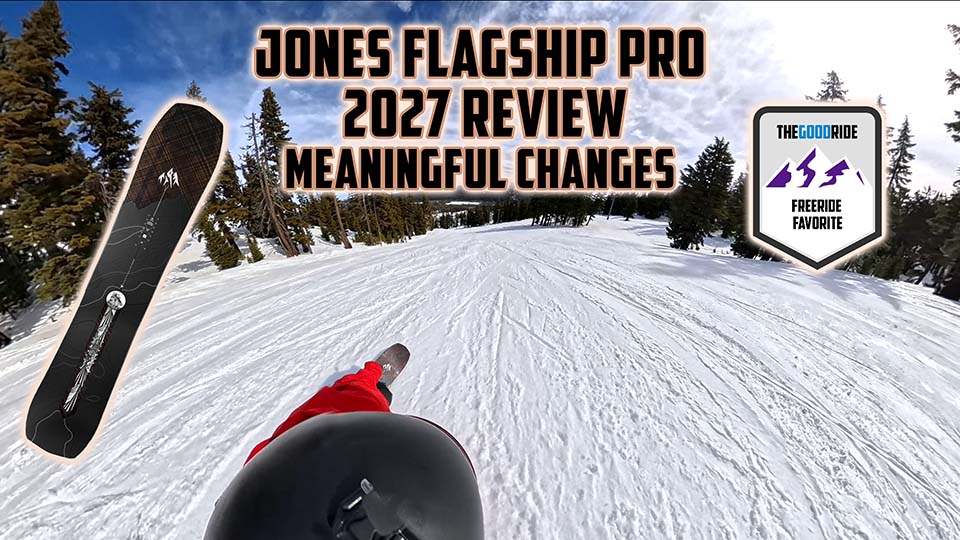
An In Depth Breakdown of the 2027 Jones Flagship Pro Rides Review by The Good Ride
Overview
How It Was Tested
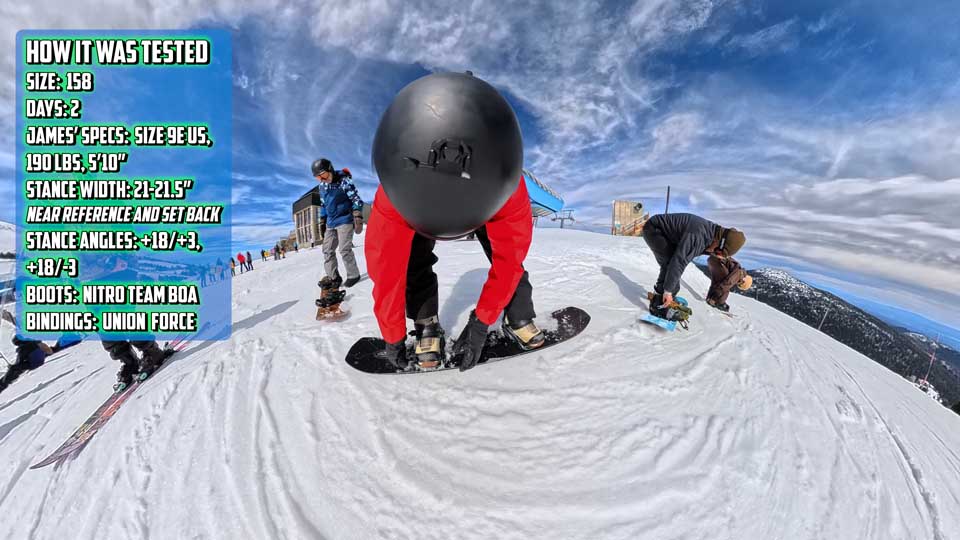
I rode the Jones Flagship Pro with my Union Force bindings and Nitro Team BOA boots. I only rode it two days in some flat-lit and firm snow that was hard to ride.
Then I got it on an early spring day that was really hard in the morning, going to medium and fun late morning to early afternoon.
I compared this against the regular Flagship as well as the Nidecker Megalight. You can see the more in-depth comparison on Patreon and YouTube for paid members.
Size: 158 but rode the old 161 in the past and the Flagship in 158, 161 and 164
Days: 2 but rode this a lot of days in the past.
Conditions: and some early morning Slackountry pow time with Drift Boards & Union Rovers
Riders: James (Size 9 E, 5’10”, 185-190lbs). I’ve tested and compared 850+ boards, 200+ bindings, and 120+ boots
Davey (Size 12, 240lbs, 6’4”)
Boots: Nitro Team BOA, Nitro Team TLS
Insoles: F.I.T. Gamechangers
Bindings: Union Force, Union Atlas Step On
Redundancy: Strapins in case boots or bindings break.
Jacket: Skyline Fuse Jacket, Jones Mtn Surf Anorak
Pant: Skyline Fase 3L Bib Pant, Skyline Faze Pant, Jones Mountain Surf Pant
Helmet: Smith Method, Smith Scout
Goggle: Smith 4D Mag Low Bridge Fit
Gloves: Burton AK Clutch Mitt, Burton AK Tech Leather Glove
James’s Set Up: 21.5” Wide. Stance Angles: +18/-3, +18/+3. Close to Reference on groomers and set all the way back in powder.
Similar Boards We Like (but not the same):
Amplid Souly Grail, United Shapes Cadet, Burton Counterbalance, Weston Gnarnia, Nidecker Megalight 2026 or later, Stranda Descender Evo, Lib Tech Son Of Birdman, Lib Tech Ejack Knife
Ethics Statement
I was not paid to write this review, and it reflects an honest, objective perspective with no brand oversight. If this review helped, we’d appreciate it if you support objective content by:
- Buying Through Our Sponsor, Blauer Board Shop
- Buying through our other Where To Buy Links, we get paid a small commission if you do. Please make sure we are the last click and don’t use a coupon or discount provider. They take our commission if you do.
- Become a Patron and get early access to reviews well before publication. https://www.patreon.com/thegoodride
- Donate to https://venmo.com/TheGoodRide (@TheGoodRide) or https://paypal.me/thegoodride
- Follow Us: https://www.instagram.com/thegoodride
- Like & Subscribe on YouTube https://www.youtube.com/@thegoodridesnow
Sizing
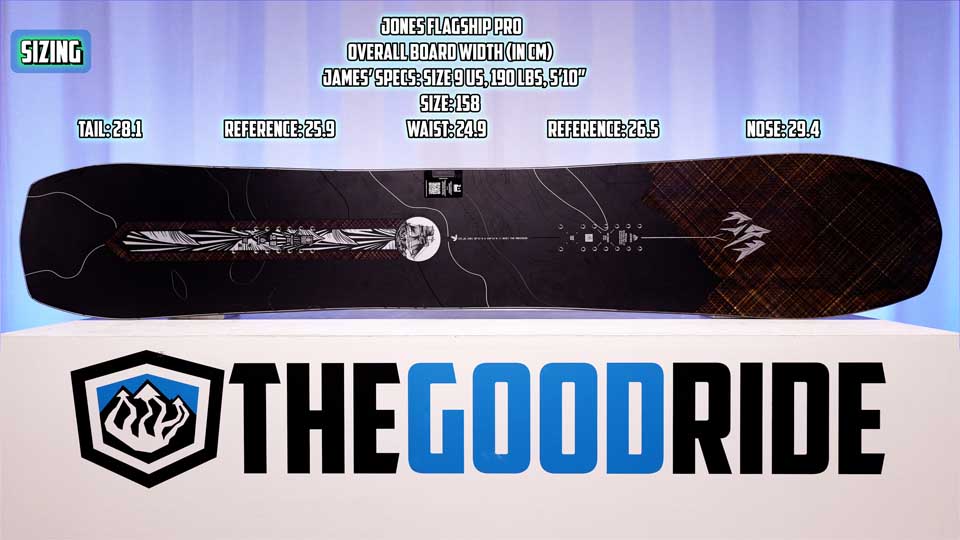
How it Fits Me
This 158 is just too small for me. The 161 fits me much better than the 158. The 164 is even better because it’s still narrow enough to handle size nine boots, and it handles my weight a little better. This is a longer, narrowish, more tapered directional ride, so I really like sizing up.
How It Might Fit You
Sizing is highly subjective, and many factors come into play when choosing a board. I rarely use “all caps to emphasize something, but NEVER TRUST ANYONE who just references their height and weight. Here are all the factors to consider
The Flagship and Jones Flagship Pro are narrow boards with a lot of taper, so you’ll definitely want to size up. These are meant to be ridden longer.
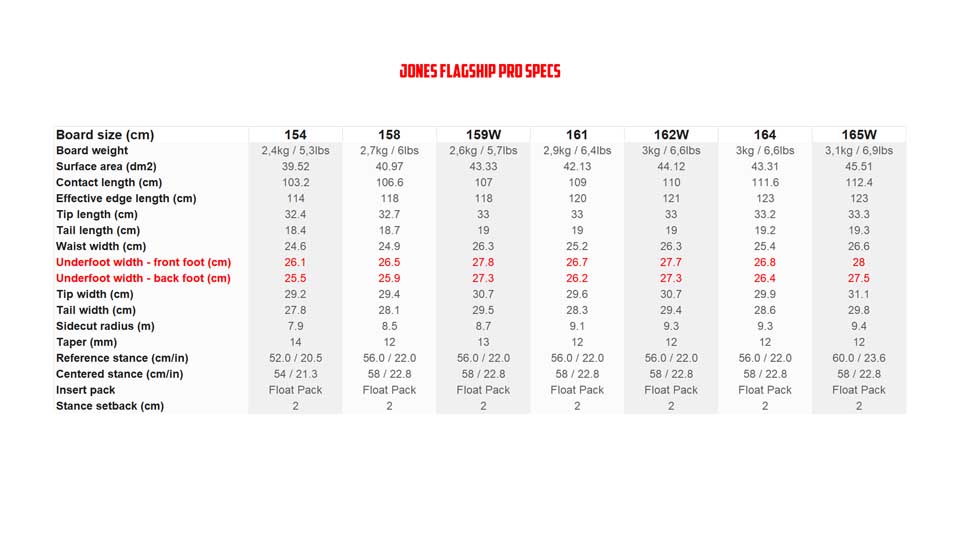
But also remember to check the width over the back insert because if you’re a bigger-footed rider, it might look fine at the waist, but it’s not going to be the same over the front insert as it is the back. You want to make sure you don’t have toe or heel drag on the back foot.
Here is the sweet spot to turn easily with mid-response bindings/boots and not boot out. You can go wider if you carve really hard or have very responsive bindigns/boots.
154: 7-8
158: 8-9
161: 8.5-9.5
164: 9-10
162w: 11-12
165w: 11.5-12.5
Weight
Your weight determines how the board flexes underfoot, giving you more or less pop, speed, etc. An easier-flexing board can also be easier to turn. Jones is pretty fair with their recommended weight range, and I’d try to stick to it, but make sure fitting the board to your boot comes first.
Height
The board’s length determines swing weight/control. If it’s short, it’s easy to spin, and if it’s longer, it floats better and can help with speed. This isn’t a board you want if swing weight matters to you, but it skids a turn and stops very easily for its length.
Boots and Bindings Response
The Jones Flagship Pro doesn’t need a super responsive boot and binding, but it helps. You can get away with a medium response.
Stance Width
Check your stance width against their reference and/or the set-back stance to see if it fits you.
Personal Preference
Some prefer control, so they match the boot size to the board width first, with weight second. Others prefer speed over control, so they size up to a wider/longer ride and have very responsive boots/bindings.
Design
Construction/Base Glide/Durability
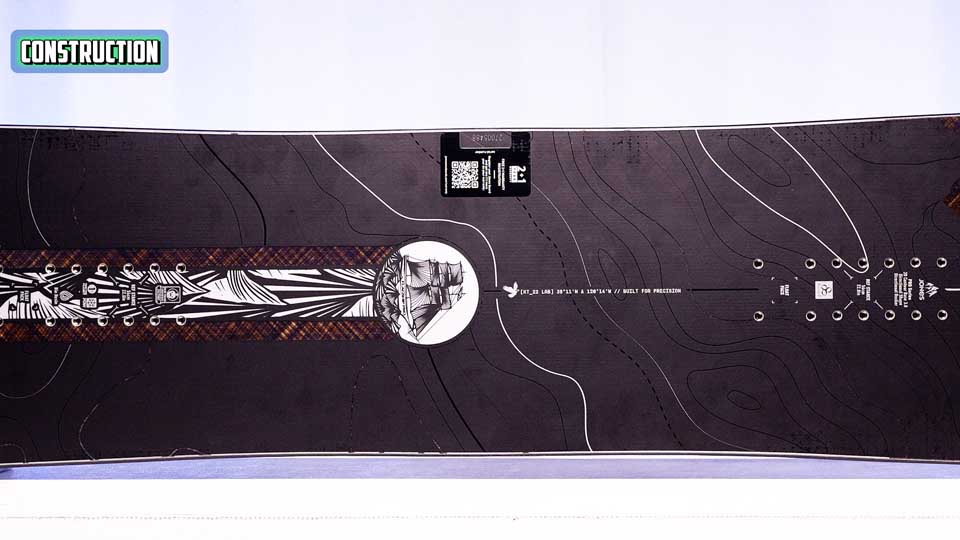
When it comes to durability and weight, Jones is not going for the ultra-light, ultra-poppy thing here. They’re going for dampness, durability, and reliability.
It’s not super scuffed over where I mounted the bindings, and it shouldn’t get too beat up on the top sheet.
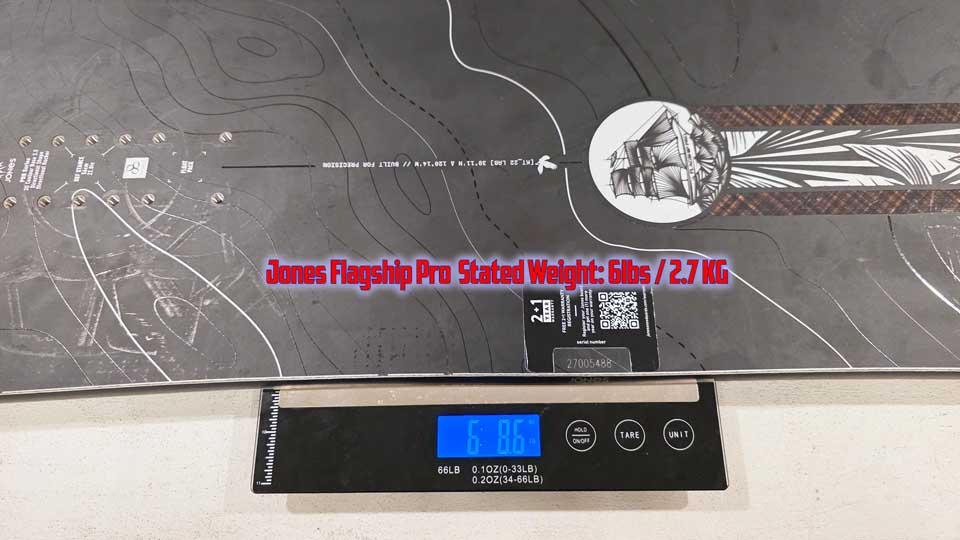
This is not an ultra-light board. This 158 actually weighed almost nine ounces more than its stated weight. That’s common with every board in the industry because wood is very inconsistent in terms of weight.
Shape & Setback
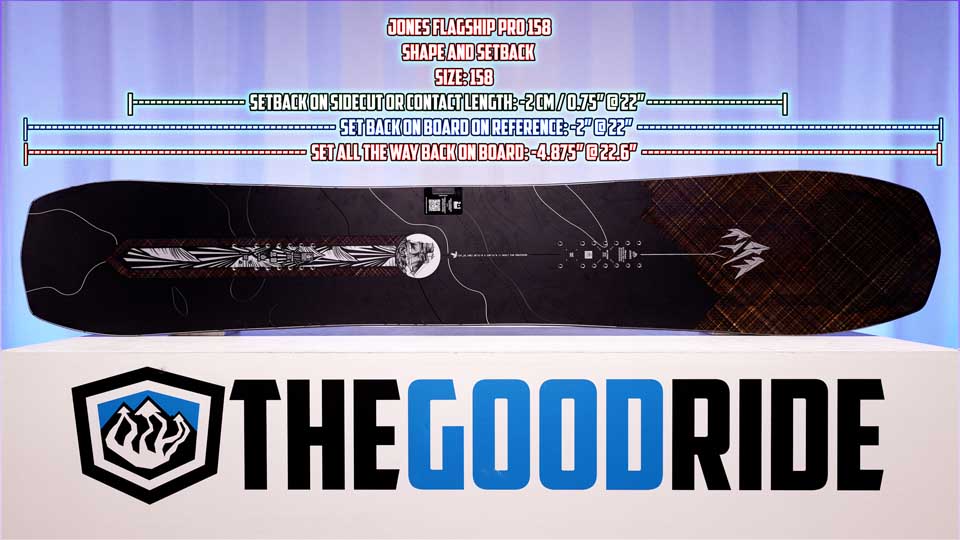
When it comes to shape, this is very directional and pretty tapered with 12mm of taper.
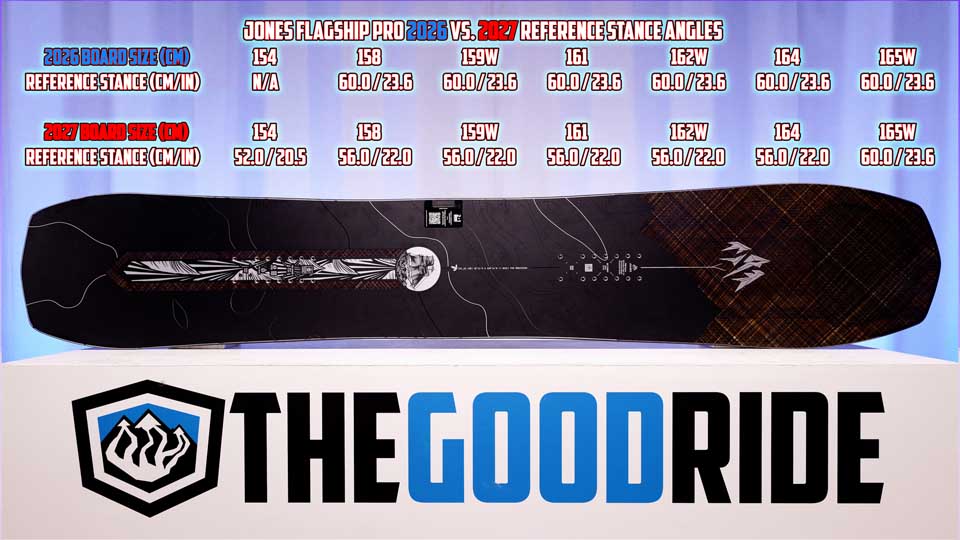
The big news with both Jones Flagships is the reference stance is now 22 inches instead of 23.6, and almost the entire line is narrower now. Most of us will be able to get much closer to the reference stance.
Camber/On Snow Feel
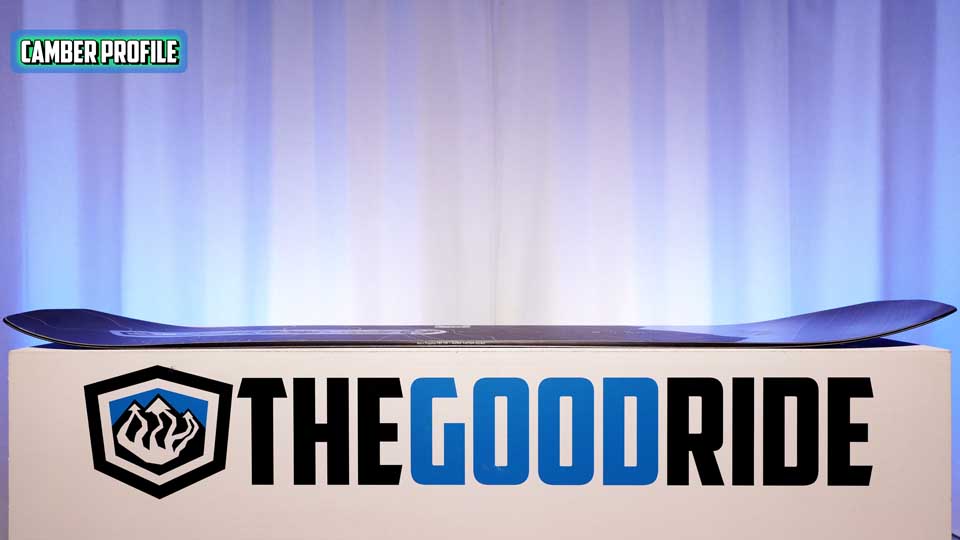
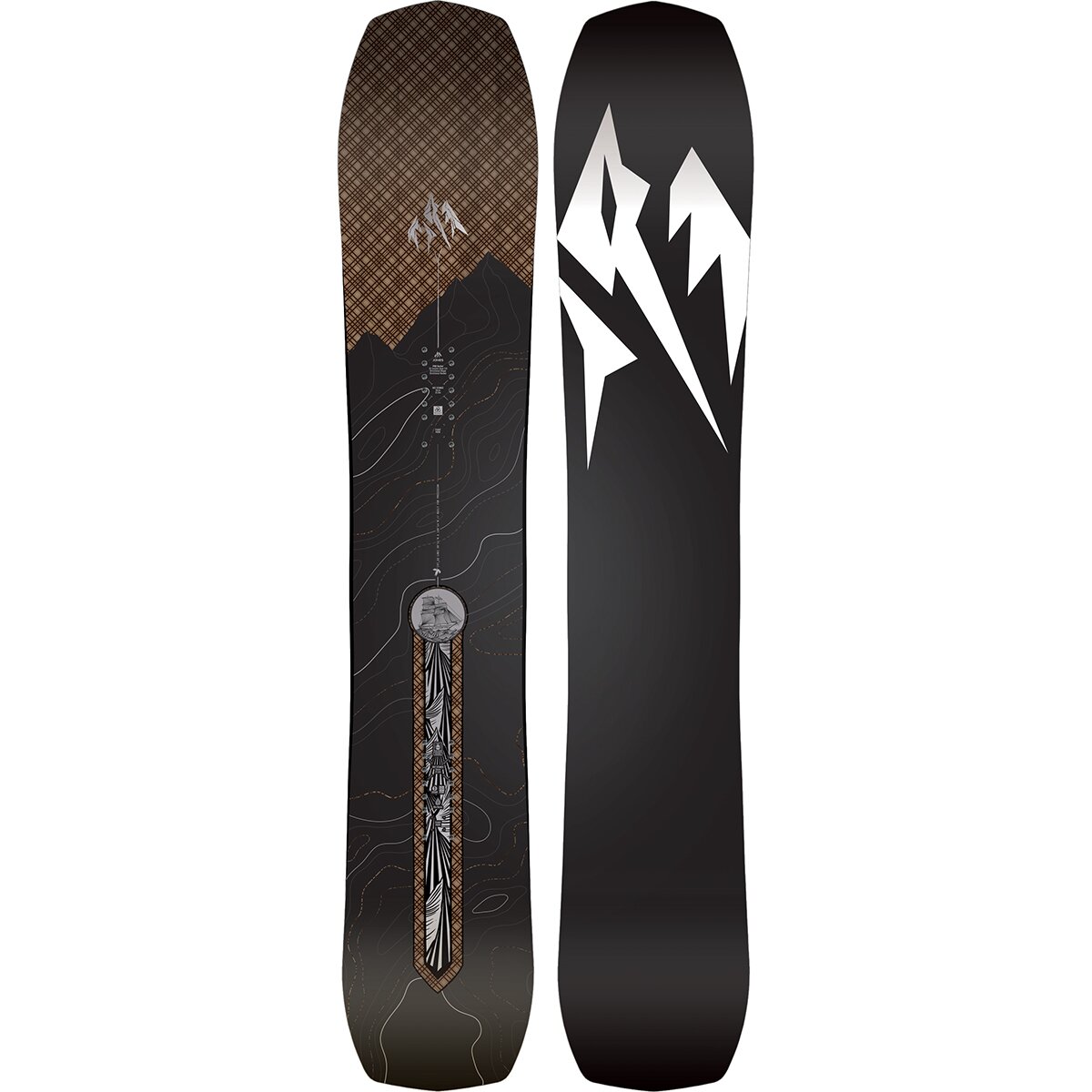
As for camber profile, this is basically the same. There is a little bit of early rise going to a slight bit of lifted tech in the tail that then goes into camber over the back foot, going to just the end of the stance range, and then starts to rocker up into a more aggressive spoon nose.
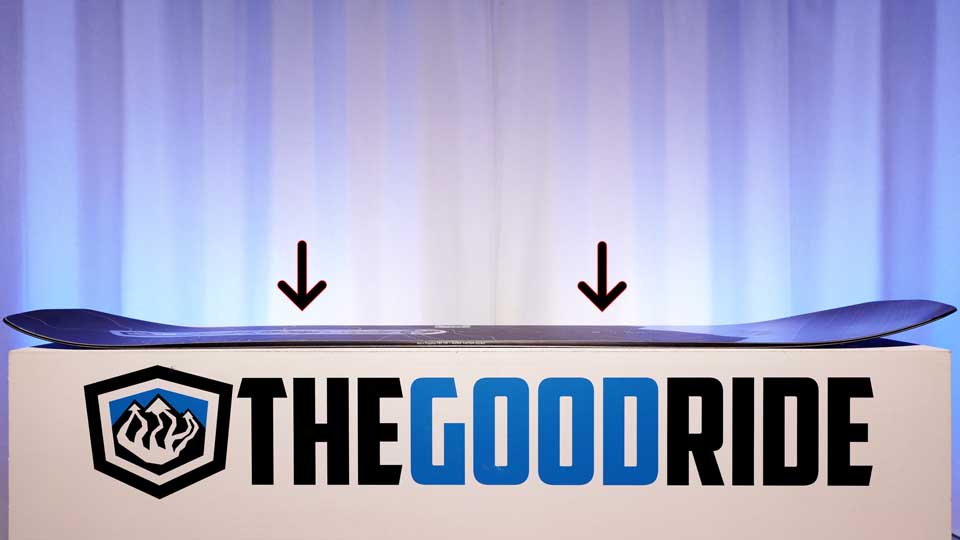
The really exciting thing, as I mentioned in shape, is that this reference stance is narrower. With the 2026 model, your front foot was closer to this rocker zone. Now it’s a little bit further back, and it’s actually sitting on top of a little bit of camber. This lets you engage that camber better.
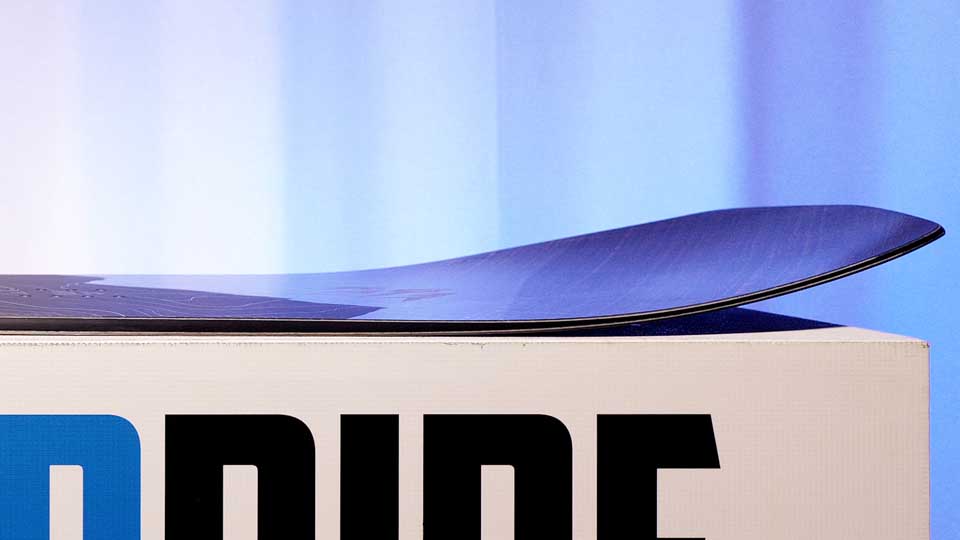
One thing with this 3D tech is that, at the top of the nose, you can see a tremendous amount of lift that goes almost all the way to the center of the nose. Then, as you come down toward the rocker area and the sidecut, the lift starts to decrease dramatically.
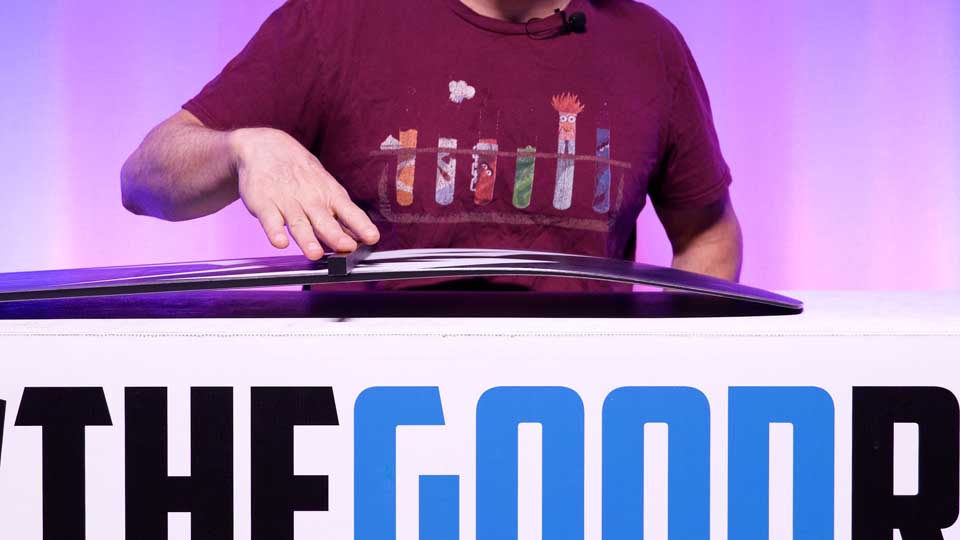
Then as you get down into the rocker, that’s still well before the inserts, it’s completely flat.
So it makes for a mostly stable feel in almost all conditions. It’s easy to one-foot, it’s easy to flat base, and with all this rocker, it is very easy to skid a turn if you get off your game.
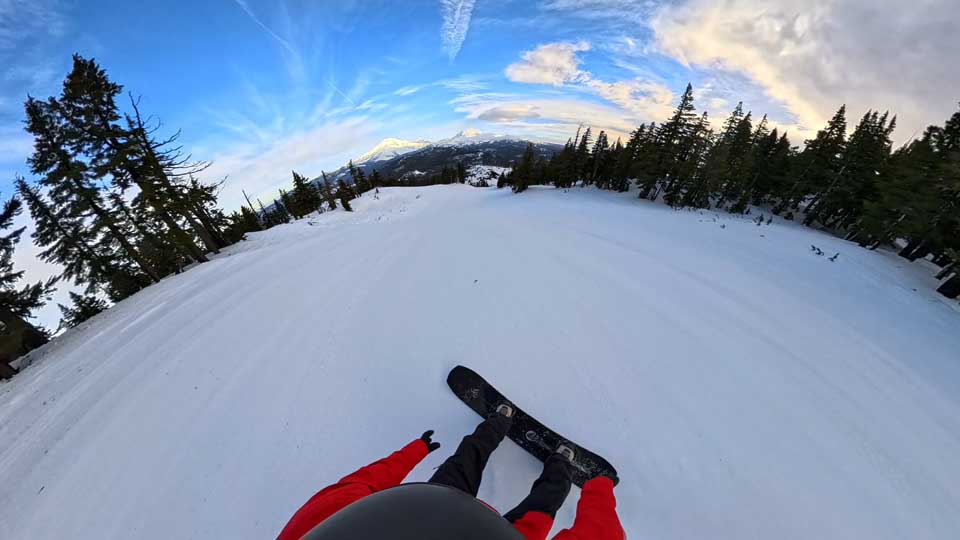
That’s what makes a stiff, aggressive board like the Jones Flagship Pro much more forgiving than it should be versus many of its peers.
On Snow Performance
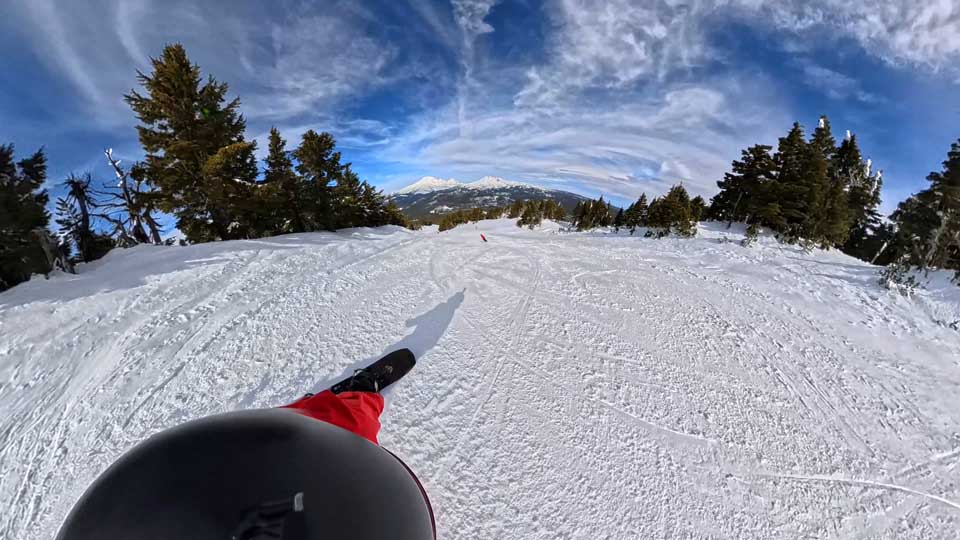
Edge Hold
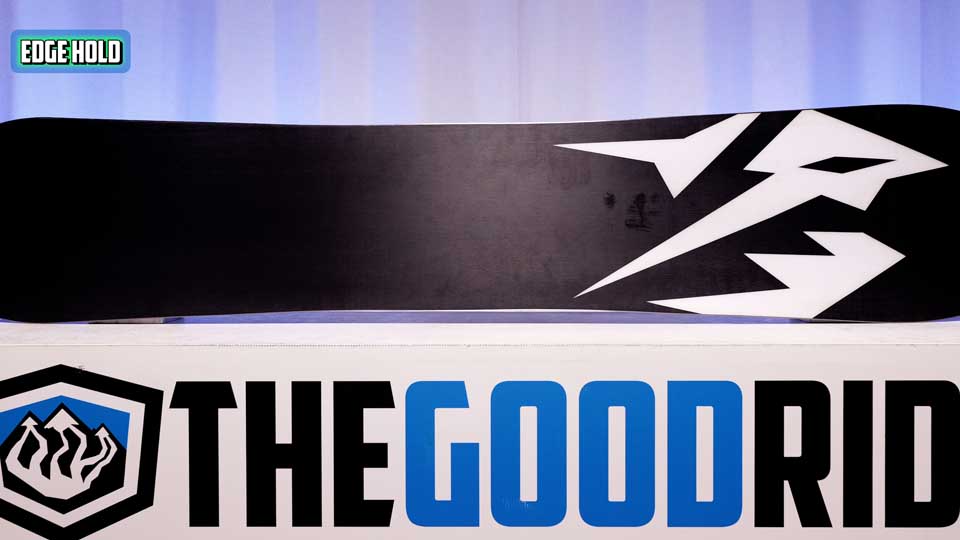
When it comes to edge hold, the Jones Flagship Pro has three bumps, one in the middle and two over the inserts, that give it very good grip.
It’s not the grippiest out there, but it balances not grabbing in soft snow with grabbing enough in hard snow. Well, at least to me.
But if you’re somebody who’s sensitive to disruptions in the sidecut and you feel them to be a little grabby, this is more aggressive than other Jones boards, and you might not like it.
Flex Personality
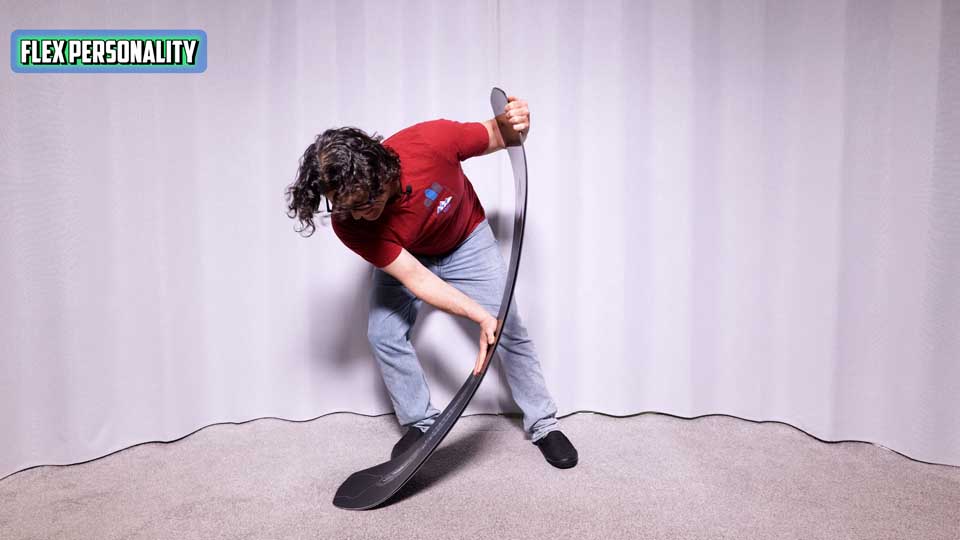
Let’s talk Ultra Flagship flex here. This is very stiff. I’d say it’s on the stiff side of medium-stiff. I’ve seen stiffer boards, but it’s up there, and the tail is very stiff.
Then you get to the middle. It’s pretty stiff there too, but a little softer. The nose is much softer than the rest of the flex, but it’s still very stiff.
This isn’t super poppy, but it’s considerably more poppy than the regular Flagship. The basalt stringers, along with the new top sheet, seem to have improved pop over last year’s model, which had a wood veneer top sheet.
I think the stance location over the camber helps more than on past models. It’s still not a poppy board, though, but it’s more poppy than it was before.
Butters, Ollies
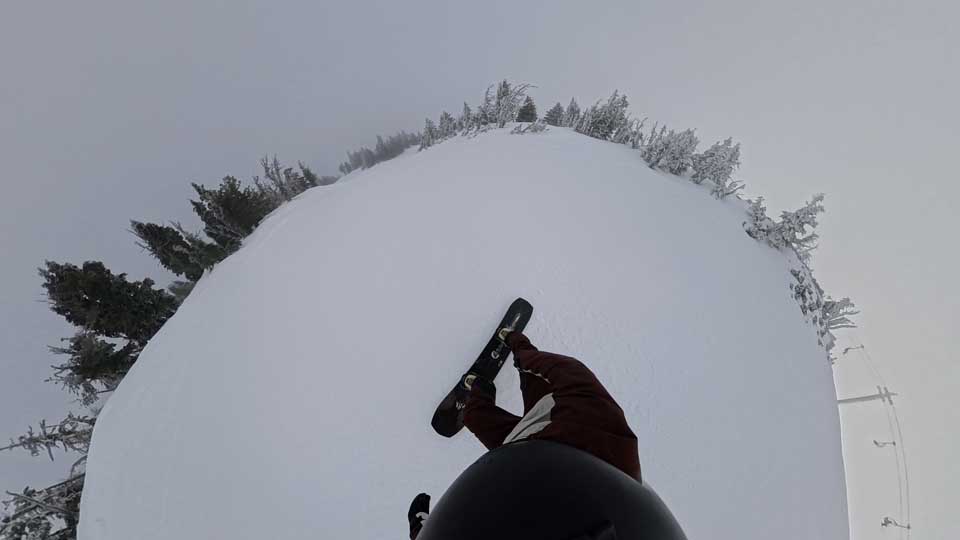
Even though this is a very stiff board, it has enough rocker in the tail and before the nose to give you leverage points to butter up.
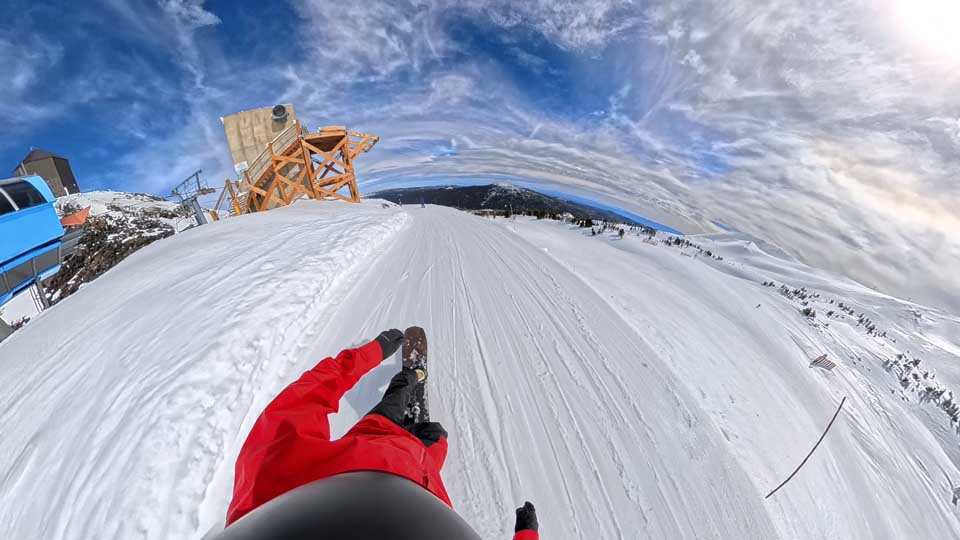
It’s still a ton of work, but it’s much easier than most boards with this kind of flex.
With this pronounced spoon tech throughout the nose, it’s hard to find a sweet spot to lock in a butter and hold it without the edges washing out on normal groomer days. But in powder, this holds well enough.
Switch
One thing I really like about both Flagships is that, if you’re set up on reference, this rides switch much better than you would think.
So if you want to land switch here and there on an air, or just give your legs a break and play around riding switch, this can work.
Uneven Snow
When it comes to uneven snow, the old Flagship Pro was an absolute chunder buster. The new Jones Flagship Pro is a little bit of a step down from the old Flagship Pro.
But let me put it this way: this is still incredible in soft, uneven snow.
In hard, uneven snow, it felt a touch behind the regular Flagship and the old Flagship Pro as well, but it’s still not bad by any means.
This is a great all-day ride in just about any condition you see.
Turning/Carving
Turn Initiation
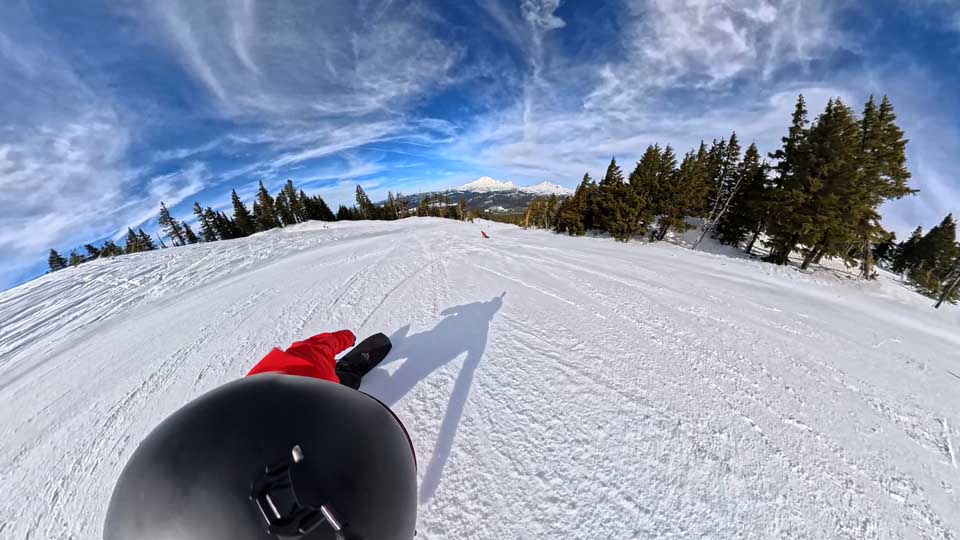
When it comes to turning, just like the Flagship, it initiates a turn super quick.
It’s the kind of board that can slalom through pretty tight trees and initiate a turn in a critical spot in steep terrain very well.
It can also skid a turn in steep, technical terrain better than almost every other snowboard out there. That’s what makes this such a great big mountain board.
Carving/Committed Turns
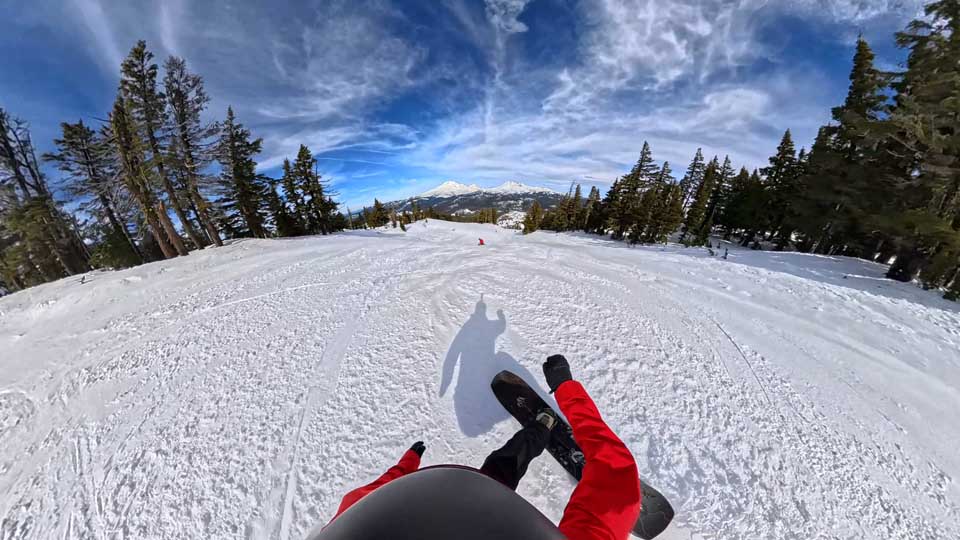
But here’s the thing. When you actually commit that edge into a turn, it initiates fast, but it doesn’t keep going.
It’s not a great board for making circle carves. Across-the-groomer carves are better than you would think for a straight-line-friendly sidecut. It also makes medium-radius turns much better than you would think.
The spring out of the turn is better than the old Flagship Pro, but it’s still behind a lot of its peers out there. Maybe just a little more camber might help that while still keeping it forgiving and easy to ride.
Turning Experience/Sidecut
Where the Jones Flagship Pro really shines is those narrower, longer, drawn-out S turns that are more down the line, where you’re building speed.
Speed
When you want to point it, this is one of the best boards out there because its sidecut and construction let it go straight and fast for long, sustained periods while staying composed, damp, and chatter-resistant.
The older Flagship Pro did that better than this, but this is still close enough while being more poppy.
Then on top of that, it’s such an easy, forgiving board to slow down and stop with. Not many boards in this peer group are this easy.
Base Glide
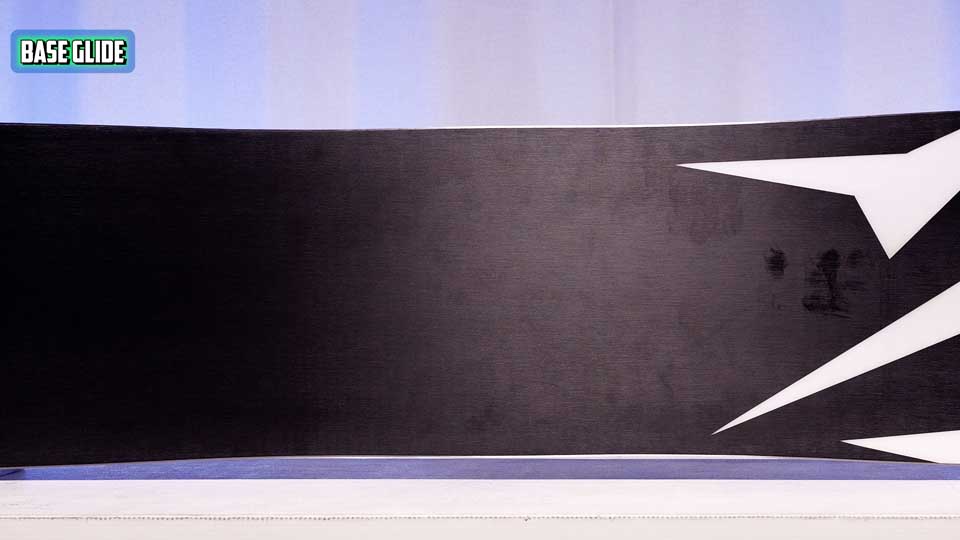
When it comes to base glide, the Jones Flagship Pro kept what I loved: an all-black base with some die-cut.
But it’s really well done. I can barely feel it. It’s got excellent wax retention, and it’s almost the fastest base out there.
I’ve only encountered a few other bases that are a touch faster, but it’s amazing.
Powder
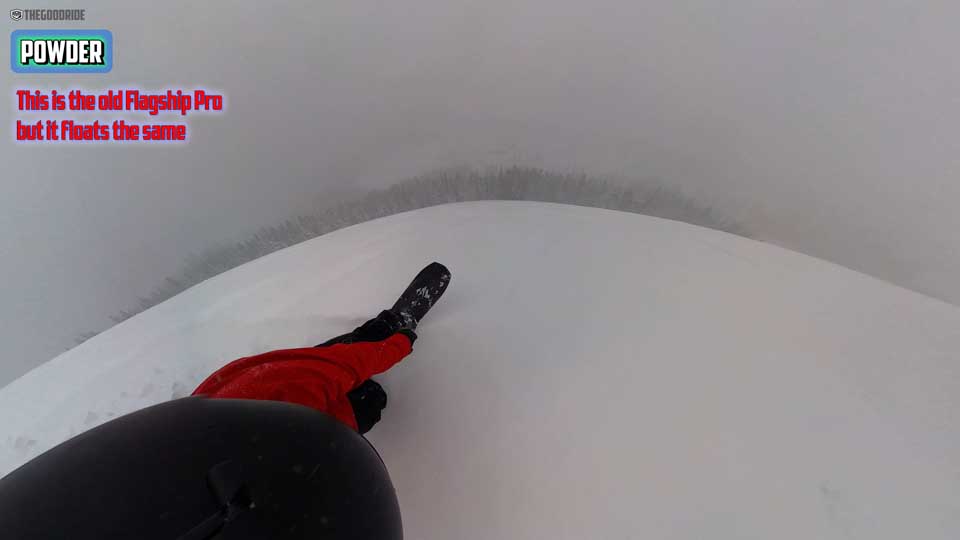
When it comes to powder float, the Jones Flagship Pro, like the Flagship, is a very floaty, versatile ride that delivers a really cool turning experience.
You can ride powder two ways with the Flagship Pro. You can set it up on reference or a touch back for a bigger mountain ride, with more landing gear in the tail for big airs.
Or let’s say you’re riding lower-angle powder. The Flagship Pro has setback inserts that give you much easier directional float, a little more turny, a little more slashy, and a little more surfy, especially with the spoon nose.
It really transforms the turning experience from groomers to powder. I love the versatility of the setback inserts.
The only thing I’d like is for them to match the new 22-inch reference stance width. As it stands now, they’re 22.6, so most won’t be able to set it all the way back.
Final Thoughts
Overall, while I’d like to see a little more pop, it’s still an improvement over last year’s Jones Flagship Pro.
This gives it a little more life without sacrificing too much dampness, and with a new normal reference stance, I like this a lot better than last year.
So there you have it.
This one translated especially cleanly into v1.1—the three Turning/Carving H4s line up naturally with how you broke down the board’s quick initiation, committed carving, and longer drawn-out turns.
Jones Flagship Pro Specs
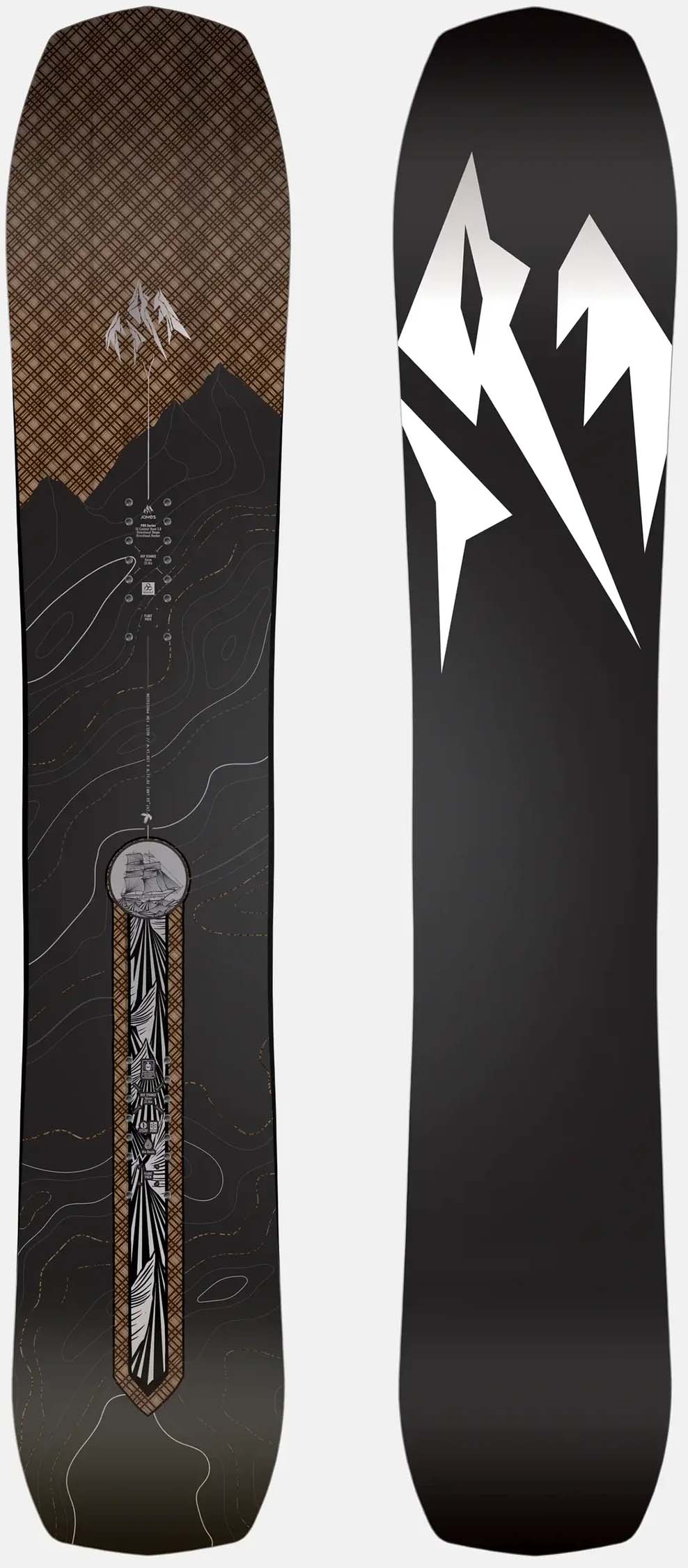
Jones Flagship Pro Images
We try to get as many images of the Jones Flagship Pro, but forgive us if they're not all there.
2027
Jones Flagship Pro User Reviews
Where To Buy
No obligation, but these links support the site.
Blauer Board Shop
Backcountry
evo
REI
Tactics
Blauer Board Shop
Backcountry
evo
REI
Tactics
Stoked Board Shop
SnowCountry
PRFO Sports Canada
Blauer Board Shop
Backcountry
evo
REI
Tactics
Stoked Board Shop
SnowCountry
PRFO Sports Canada
Where To Buy
No obligation, but these links support the site.
Blauer Board Shop
Backcountry
evo
REI
Tactics
Stoked Board Shop