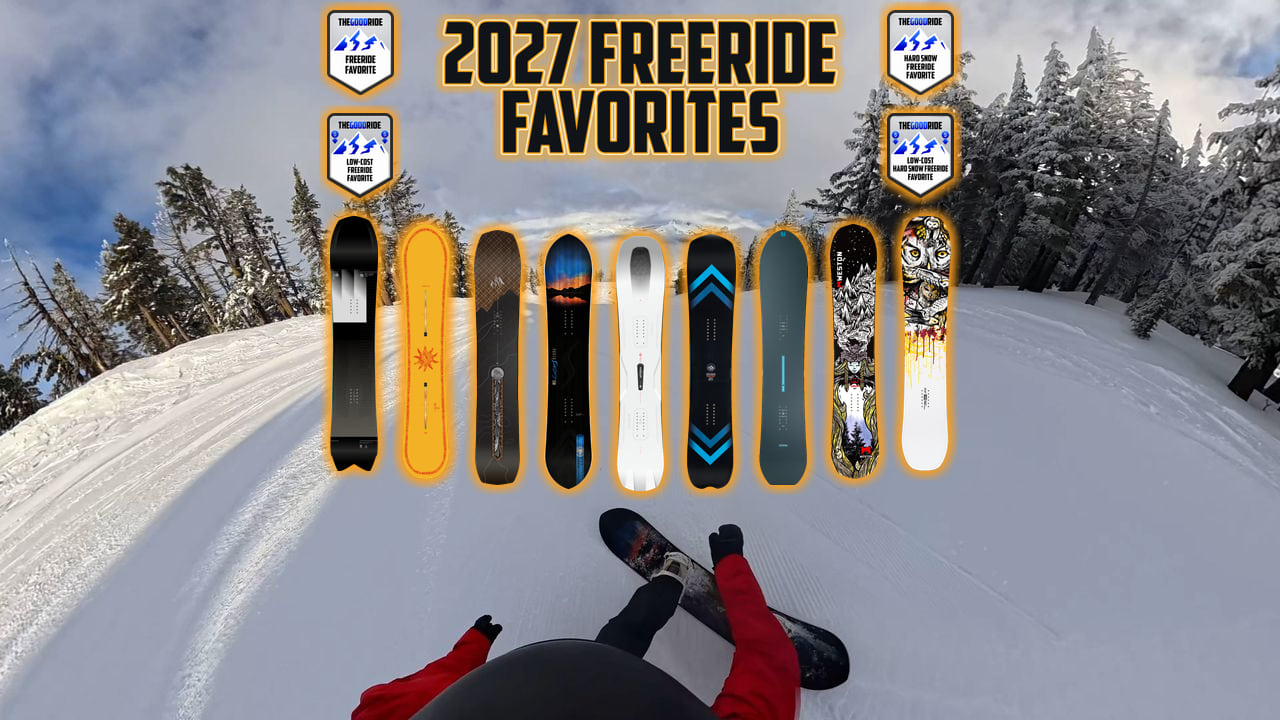
2027 Freeride Favorite Snowboards
https://youtu.be/gIVJVDnUfEs
Welcome to The Good Ride and the 2027 Freeride Favorites list.
Why You Should Trust The Good Ride All-Mountain Favorite List
What Is An Freeride Board To The Good Ride
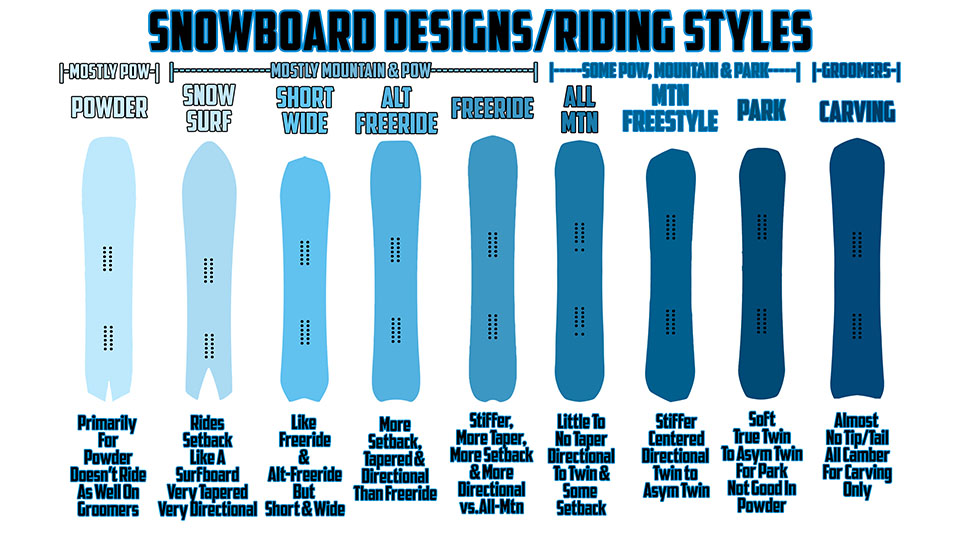
For a detailed breakdown, check this Snowboard Riding Styles article. For a quick summary, a free-ride board sits between a less directional, setback, and tapered all-mountain board and a more directional, setback, and tapered Alternative Freeride board.
This Is Not A Pay-to-Play List
After extensive testing and comparing in a wide variety of conditions, these are the standouts that I often recommend the most, and I’d love to have in my quiver.
About James Biesty
I’m an average rider who’s a lot more like you than the pros and ripper influencers out there, but I’ve ridden around 1,000 snowboards.
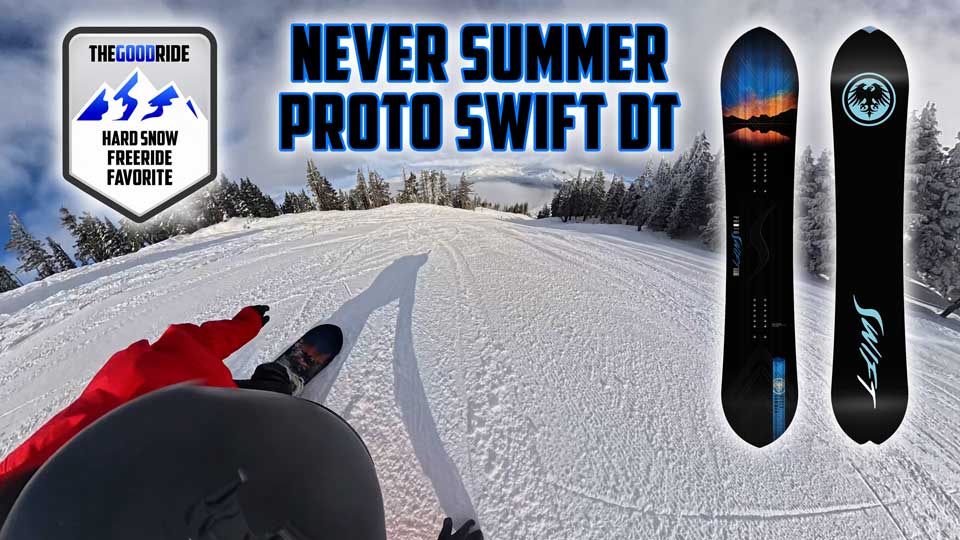
Never Summer Proto Swift DT – $739
Ability Level: Intermediates to Experts
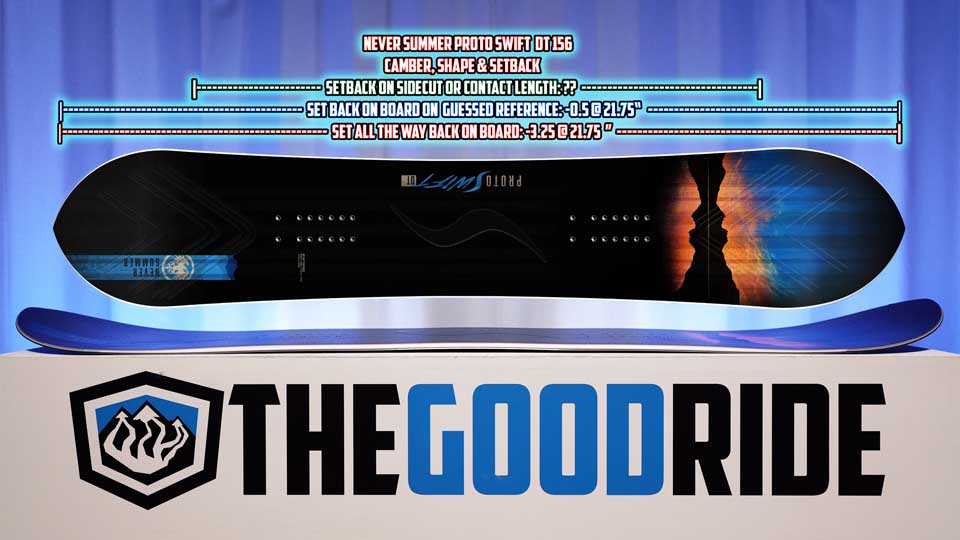
Shape: 5mm Taper, Directional & Setback (Feels More Tapered Than It Is)
Camber: Camber Between The Feet With Passive Bends. Rocker Before The Nose and Tail
Flex: Med-Stiff Tail and Middle. Medium Nose
Positives
- Really Versatile 1 Board Quiver
- Near Excellent Grip
- Very Good In Uneven Snow
- Good Base
- Good Balance Between Pop and Dampness
- Very Durable
Negatives
- Not Many Sizes
Why The Never Summer Proto Swift DT Might Be For You
The Never Summer Proto Swift DT feels more like a tapered, directional, and set-back board than it looks. And while it doesn’t come in many sizes, it is an excellent board. This recurve camber feels like most camber-dominant boards, with rocker before the nose and tail, but the passive bends give it more pop than you would expect for this amount of camber. It also gives it very solid grip, so this is an excellent choice for those of you who see hard snow but still want an excellent board that doesn’t grab too much in soft snow. It’s pretty damp, has good pop, and is a really fun board to turn. It’s a little bit more back-foot weighted but still fine for any way you want to weight your turn. It even has setback inserts for a powder day, so if you have a full-size disc binding, you can get really easy directional float. I just loved the versatility of this ride and had so much fun in just about every condition I tried, especially hard snow. This is the best gripper on the list, and I’m happy to have a 160 in my quiver. I just wish they had more sizes.
Full Never Summer Proto Swift Review
Support Us & Compare Prices Here:

Stranda Descender Evolution – $949
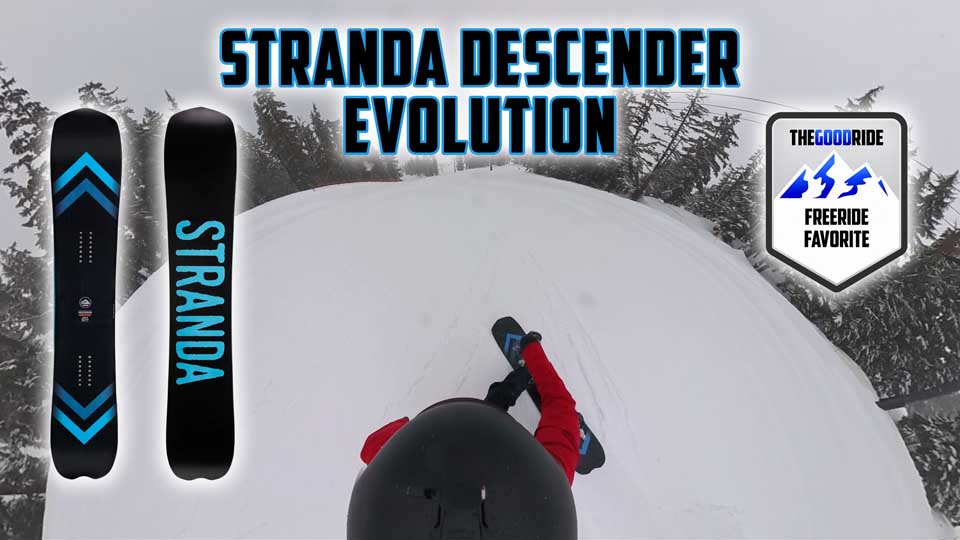
Ability Level: Committed Aggressive Intermediates to Experts
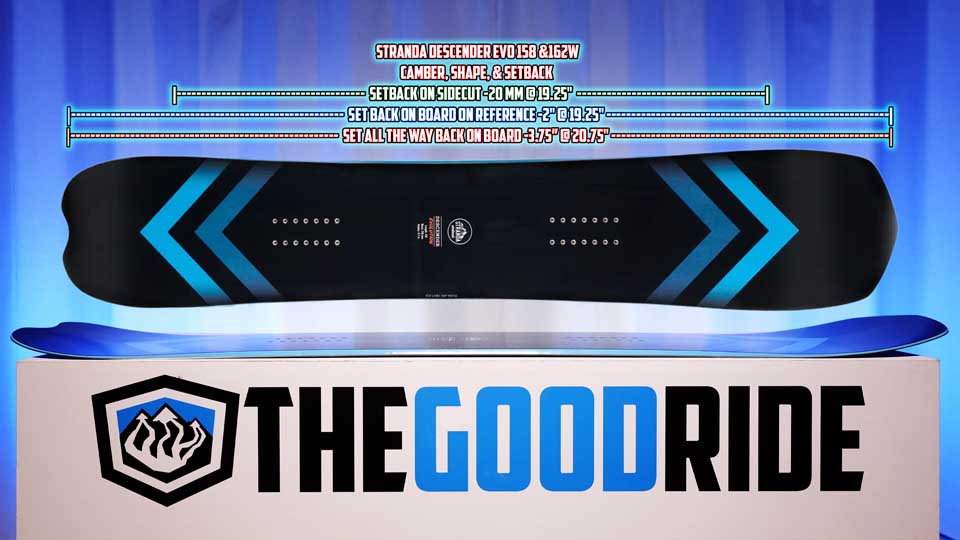
Shape: 8-10mm of Taper, Pretty Directional, With A Decent Setback On Board
Camber: Directional Camber With Rocker Before The Nose & Tail
Flex: Medium-Stiff middle, Med Nose, and Medium Tail
Positives
- More Pop Than The Evo
- More Dampness Than The Evo
- Great Big Mtn / Freeride Board
- Super Fast Base
- Fun To Turn & Straight Line
- Still Not Hard To Ride
- Easy Medium Angle To Steep Angle Float
- Solid Grip That Doesn’t Grab
Negatives
- Expensive
- Not Many Sizes
Why The Stranda Descender Evo Might Be For You
The Stranda Descender Evolution is definitely stiffer and more aggressive than the regular Descender, but it’s still very approachable and easy to ride. This is an excellent big-mountain board, but it’s a lot more than that. It has incredible dampness yet still delivers great pop, making it a great all-day ride. Not just on the steep parts of the mountain, but everywhere you want to go on a groomer day. Then you have arguably the fastest base on this list and really competent grip that doesn’t grab in soft snow. This has such a fun board turn, and while it felt a touch more back-foot weighted to me, it’s still welcoming to any way you want to weight your turn. And Other than not having a lot of sizes, it’s often thought of as just a super stiff expert-only ride. I’d love to have a 161 in my quiver, and it would be one of the first boards I’d grab if I was still riding steeper terrain at Mammoth and Tahoe. If you like more of that surfy turn but still want a lot of tail behind you for getting air, this is an excellent choice. And if you want to save a little money and get the mellower flexing Descender, that’s an excellent board too.
Full Stranda Descender Evo Review
Support Us and Buy Through Our Links
Buy Direct From Stranda $949
United Shapes Cadet – $799
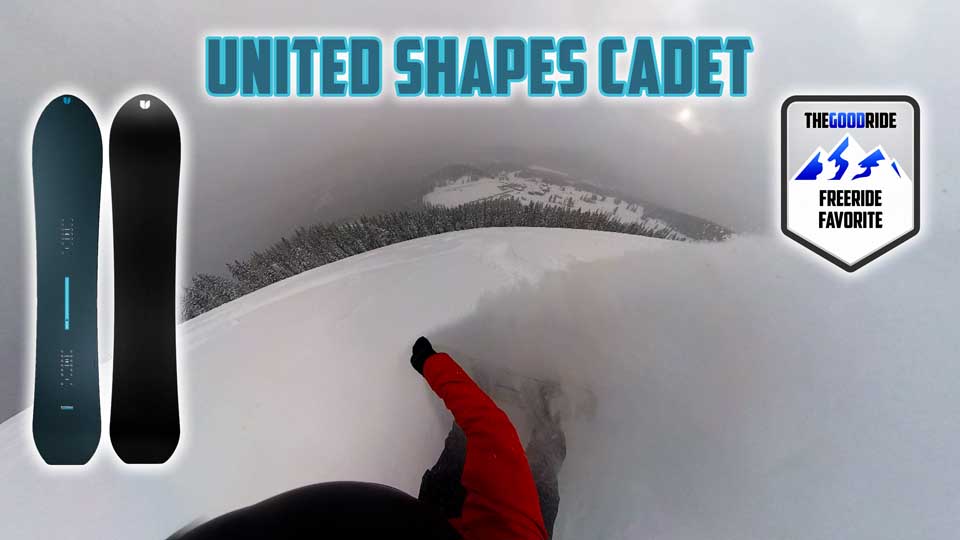
Ability Level: Intermediates to Experts
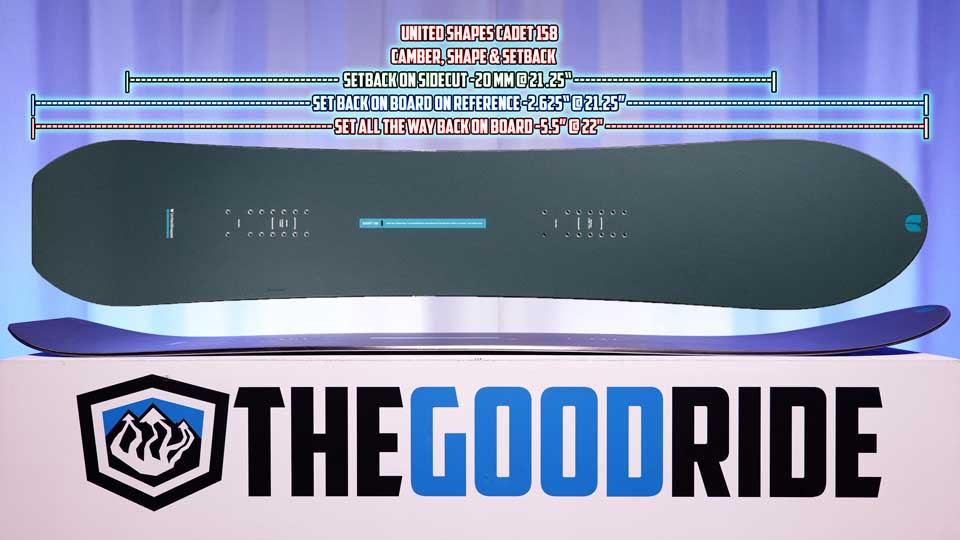
Shape: 5mm Taper, Pretty Directional and Can Ride Pretty Centered or Very Set Back
Camber: Directional Camber with Rocker Before the nose and a little before the tail
Positives
- Amazing Directional Float For This Shape
- New Size 156
- Newer, Better Base & Construction
- Easy Ride In All Conditions
- Fits A Wide Variety of Boot Sizes
- One of the Most Versatile Snowboards I’ve Tried
Negatives
- Setback Inserts Only Work With Full-Size Discs
- Not the Best For Hard or Icy Snow
- Still Needs Bigger Sizes Like a 166 for bigger riders
Why The United Shapes Cadet Might Be For You
The United Shapes Cadet is really special because, when set up on reference, it can ride like a centered freeride-to-big-mountain board. But it also has full-size, disc-only setback inserts that give it more easy directional float than any board on this list. It has really good pop, competent dampness, and a fun turning experience that lets you weight your turn any way you’d like. When set up on reference, it’s really great for getting air, and when set all the way back in powder, it feels more like a setback/slushy surfy ride. It’s really comfortable everywhere except for really hard snow. So it’s almost like getting two boards for the price of one. If this had a little more grip, this would be the only board I’d need to bring on a trip. For 2027, United Shapes switched factories, but the Cadet still has the same shape and camber profile. They did, however, improve the construction and the base. They also have this in a 156 this year, but I’d love to see them add a 166 for bigger riders. So definitely go with the 2027 over the 2026 unless you get a really good deal.
Full United Shapes Cadet Snowboard Review
Support Us & Compare Prices Here:
Nidecker Megalight – $869
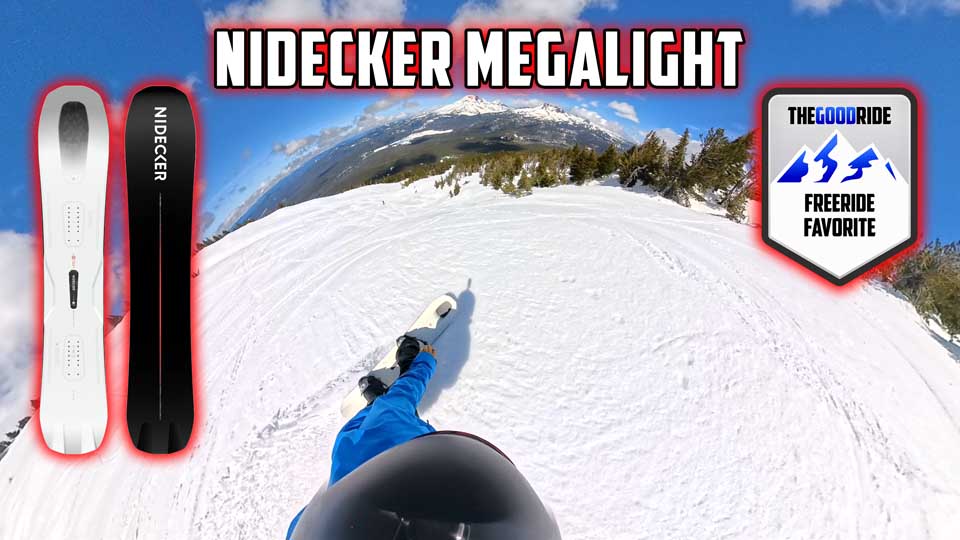
Ability Level: Advanced to Expert
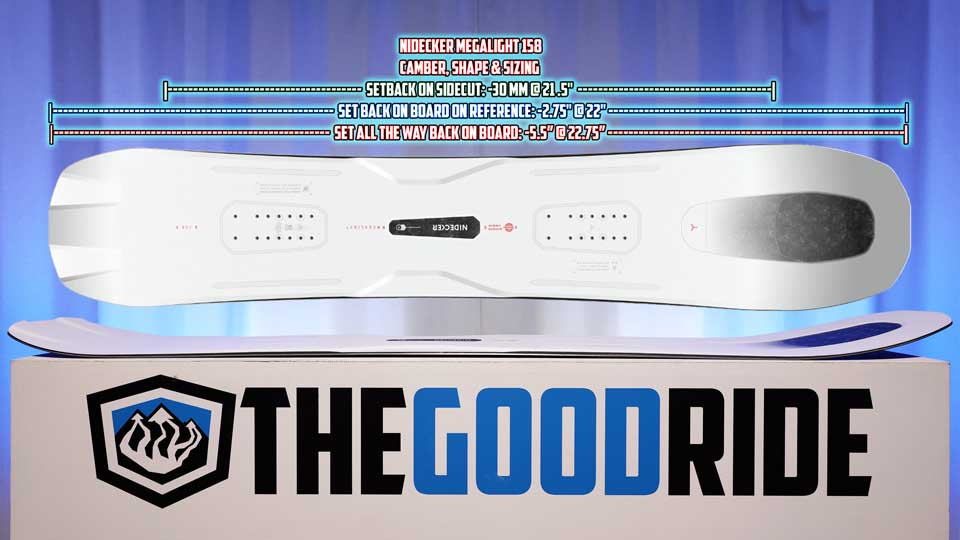
Shape: 14mm of Taper, Very Directional & With Versatile Setback On Board
Camber: Directional Camber from almost the tail to past the front inserts, with rocker before the nose
Positives
- Lots More Camber vs. The Older Model
- Exceptional Pop
- Really Great Chatter Absorption For Such A Light Board
- Super Fast Base
- Exceptional Float
- More Sizes For 2027
- Incredibly Versatile Ride
- Much Better Turning Experience Vs. The Older Model
Negatives
- Setback Inserts are Wider Than The Reference Stance
Why The Nidecker Megalight Might Be For You
The Nidecker Megalight is another really special board. Nidecker’s been doing freeride since the ’80s, and I’ve loved almost all of the Megalights since I first started riding them in the 000’s. This has the most pop of any board on the list, and it’s nice that it doesn’t come with as much chatter as many Ultra/Megalight boards do. It’s still not an ultra-damp board, but it’s much better than you would think for a high-end board that emphasizes lightweight construction and pop. The dynamic, springy nature of the Megalight gives you a fun, back-foot-weighted turning experience, and it’s a great board to get air with because there is still some tail behind you if you set it up on reference. It also comes with a base that’s tied with the Descender Evo for being the fastest on this list. Even better, if you have full-size disc bindings, you can set this back for deep powder days and get some pretty easy directional float. It’s not as easy-floating as the Cadet or even the Flagship Pro, but it’s still very competent, and I just wish the setback inserts weren’t wider than the reference stance. For 2027, they added many more sizes, so it’ll fit a wider variety of riders this year, and I’m really glad to see it. I love having a 58 in my quiver.
Full Nidecker Megalight Review
Support Us & Compare Prices Here:
Jones Flagship Pro – $949
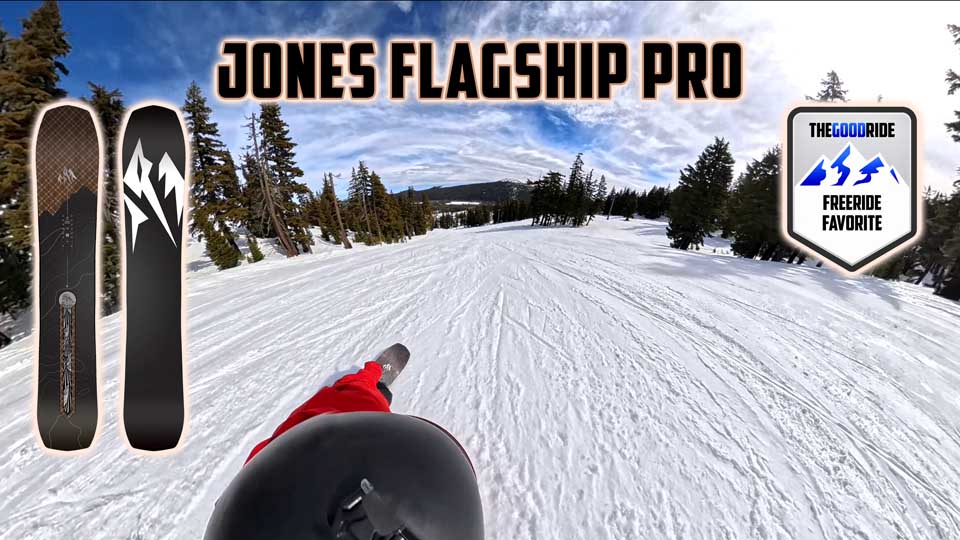
Ability Level: Aggressive Committed Intermediates to Experts
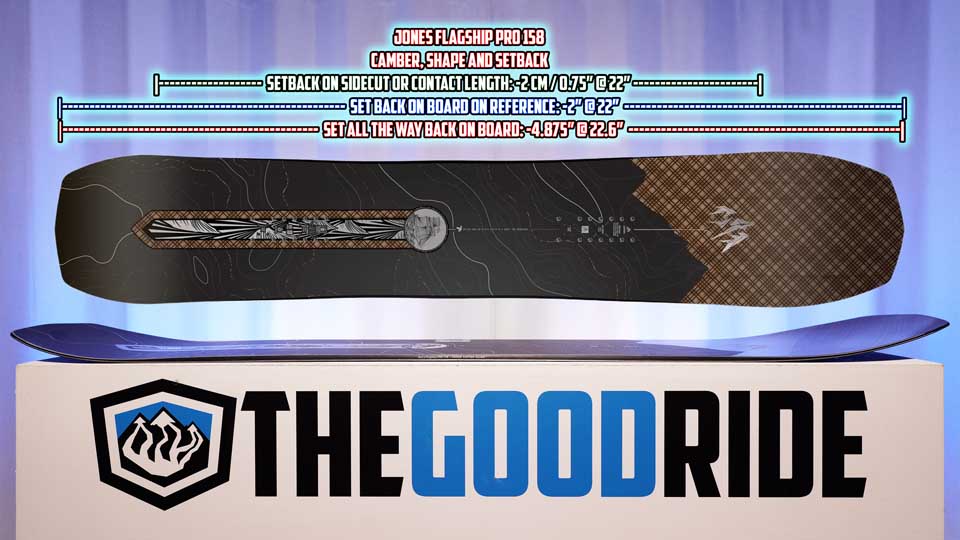
Shape: 12mm Taper, Pretty Directional, Versatile Setback
Camber: Mellow Directional Camber with a Lot of Rocker and Lifted Sides
Positives
- More Pop vs. The Older Model And The Flagship
- Super Fast Base
- Great Grip
- Great Float For A Big Mtn Board
Negatives
- Still Could Use More Pop
- Can Wash Out For Some Who Carve Really Hard
- Not the Best Spring Out Of A Turn
- Setback inserts don’t match the width of the reference stance
Why The Jones Flagship Pro Might Be For You
The Jones Flagship Pro has the stiffest and most aggressive flex on this list, but this mellow camber profile with spoon tech makes it so much more approachable than they say. For 2027 they they moved the reference stance marker in at 22″, but I wish they actually moved the inserts in more so all the inserts are under this short mellow camber. It’s not the poppiest board, but it has more pop than the regular flagship, and you get this because it straightens out better than any other board on this list. Even better, it’s also the easiest board on this list to skid a turn in critical spots. It also has very competent hard snow grip and is only a little behind the Never Summer Proto Swift DT. It also has full-size, disc-compatible setback inserts that give you really easy directional float. I wish the setback inserts weren’t wider than the reference stance, but this spoon tech in the nose gives it a much more turny, setback, slashy, surfy feel than it has on groomers. It’s not the best for really laying into a hard carve, even though it’s pretty neutral for any way you want to take your turn. Same goes for an ollie, but It’s a pretty versatile, forgiving board for being such an excellent straight-liner. And this board likes to be ridden a little longer than your average modern freeride board, so if in doubt, size up if you want the feeling I’m describing here.
Full Jones Flagship Pro Review
Support Us & Compare Prices Here:
Weston Gnarnia- $699
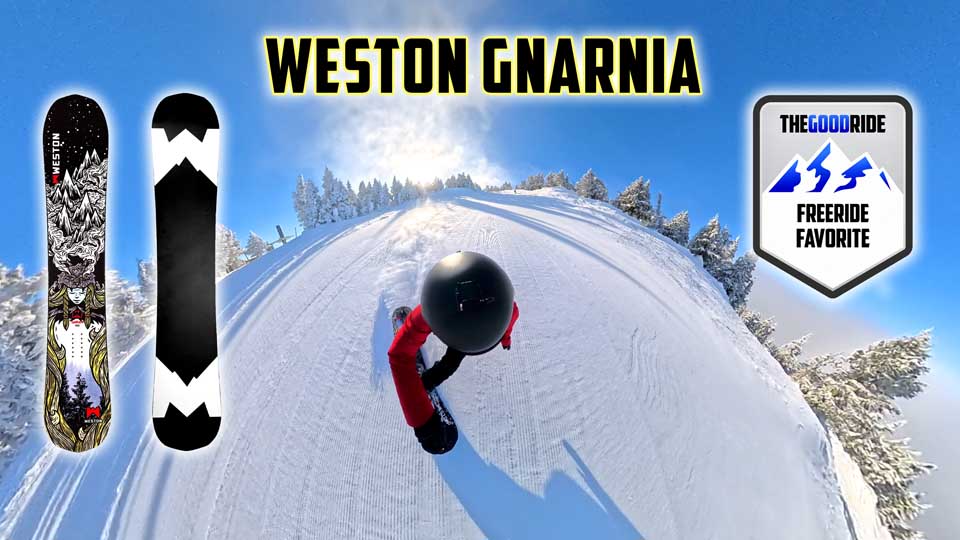
Ability Level: Committed Intermediate to Expert
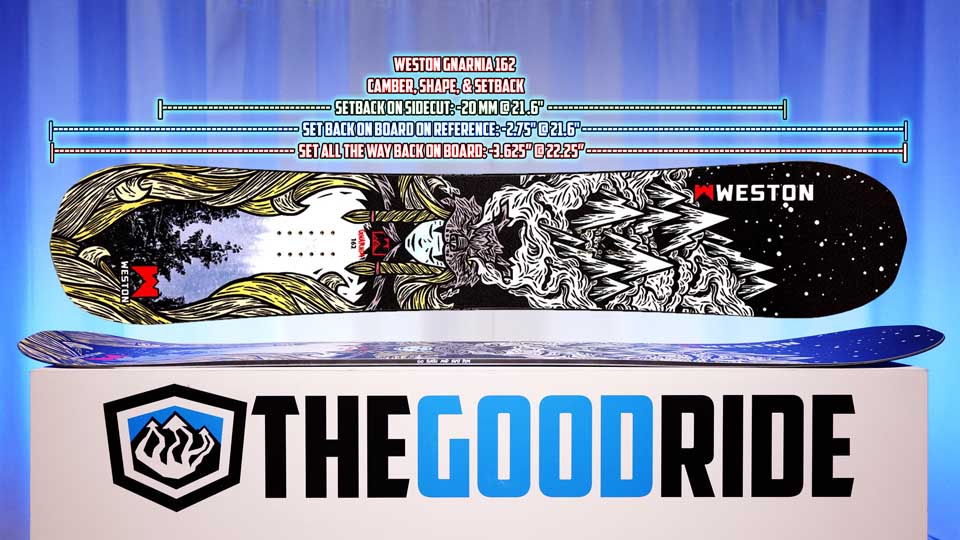
Shape: 9mm of Taper, Moderately Directional & Normal Freeride Setback
Camber: camber well past the inserts, with rocker before the nose and tail
Positives
- Great Balance of Pop & Dampness
- Fast Base
- Good Grip
- Great Big Mtn Board
Negatives
- Not The Best in Low-Angle Pow
Why The Weston Gnarnia Might Be For You
The Western Gnarnia is a very fun board for those that want a nice balance between pop and dampness in a pretty versatile big mountain board. It really comes alive in steeper terrain, but it’s not bad for cruising groomers and making some across-the-groomer carves. It’s not that bad to skid a turn either. There’s also very competent grip and a really fast base. And while it doesn’t have the easiest low-angle float compared to many boards with setback inserts (like the Cadet, the Flagship, and the Megalight), it still does really well in medium-to-steep-angle powder. What I really like about the Gnarnia is that it has this easier flex at first that makes the board feel not as stiff and aggressive as some boards out there, so it’s easier to initiate a turn in tight spots, but then as you really pick up speed, which can make the board flex and buck more, the stiffness kicks in and keeps it composed. You also feel like you have a lot of tail behind you, so it’s great for big air in steep terrain, and it can land switch better than most of the boards on this list.
Full Weston Gnarnia Review
Support Us & Compare Prices Here:
Amplid Souly Grail – $1089
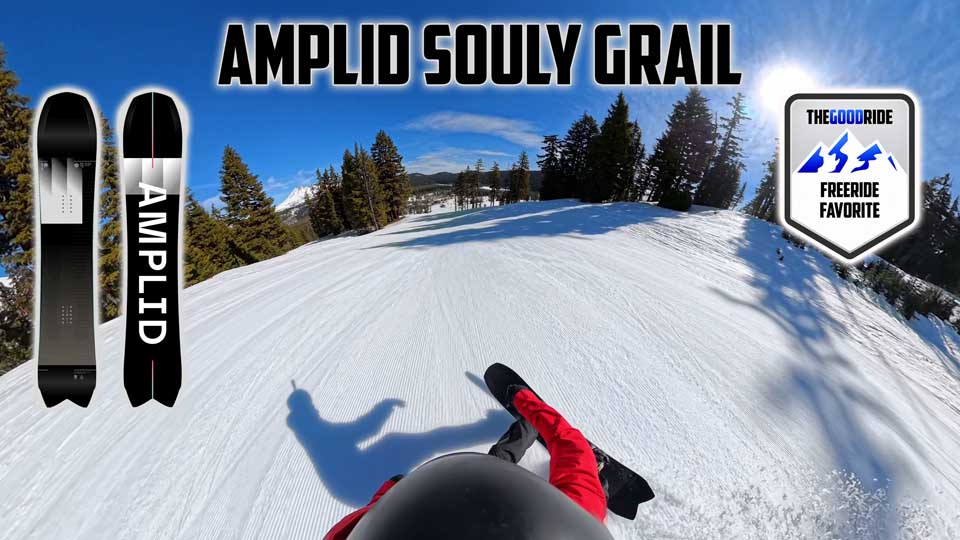
Ability Level: Intermediate to Expert
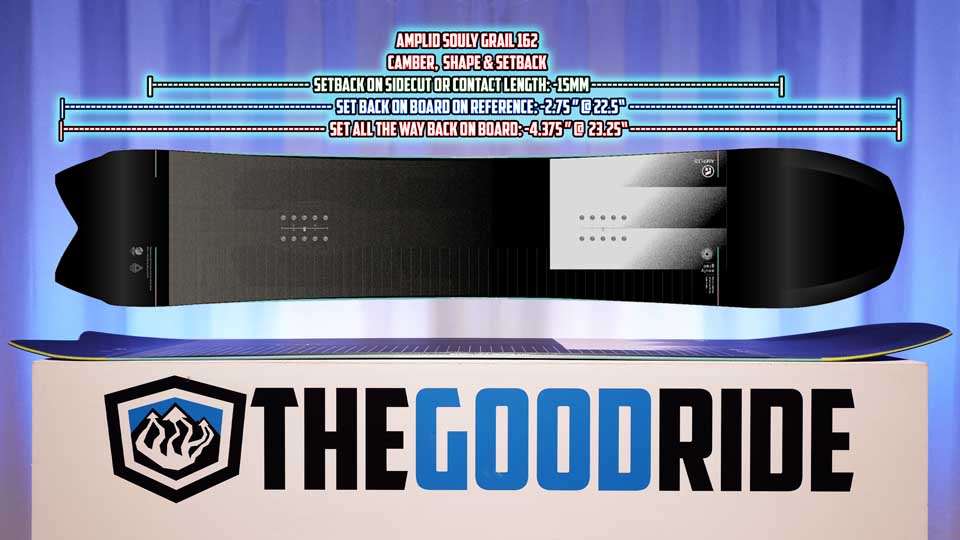
Shape: 6mm of Taper, Pretty Directional, Typical Freeride Setback
Camber: Camber Between the Feet, with Rocker Before the Nose and Tail. Lifted Sides In The Nose
Positives
- Lighter and Poppier but not any less damp
- Really Fun Turning Experience
- Upper Tier Chatter Resistance
- Lifted Sides Are Only In The Nose
- A Great All-Day Ride
Negatives
- Only 1 Set Back Insert On The Back Foot / None On The Front Foot
- Stance Range Best for Wider Stance Widths
- Not The Best Floater On The List
Why The Amplid Souly Grail Might Be For You
The Amplid Souly Grail is truly a unique board because it has mellower flex but still some of the best chatter absorption of any board on this list. That’s pretty hard to do, and for 2027, the Souly Grail got lighter and poppier while still retaining almost all of its dampness. This has a very good base, an easy ollie, and a really fun turn. My one complaint about this board is that it has a mini-disc compatible setback insert on the back foot but not the front. It makes directional float less easy than it looks, so it’s not the best board for low-angle powder, but if you see medium- to steep-angle powder, you’ll be fine. I also wish they had more sizes other than just three, but everything else about this board is truly special, and you usually can’t get this much dampness for this kind of pop and flex. It’s also a really fun board for those who love to drive really hard off their front foot or like more center-weighted turns. I’d love to have this new 157 in my quiver.
Full Amplid Souly Grail Review
Buy Direct From Amplid $1089 –
Burton Counterbalance – $659
Ability Level: Committed Intermediate to Expert
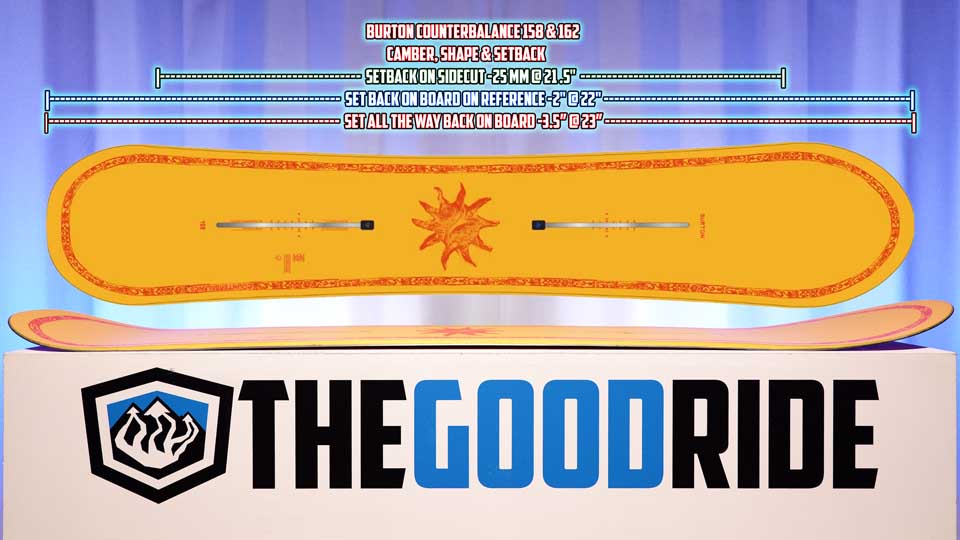
Shape: 8mm of Taper, Directional, With Moderate Setback For A Freeride Board
Camber: Directional Camber, Rocker Before The Nose, A Little Rocker Before The Tail
Flex: Medium-stiff tail & Middle. Medium Nose
Positives
- Better Edge Hold Than Most Burton Boards
- Typical Excellent Burton Pop
- Fun to Turn & Get Air
- Not As Much Chatter For This Much Pop
- Great Directional Daily Driver
Negatives
- Set All The Way Back is Much Wider Than Reference
Why The Burton Counterbalance Might Be For You
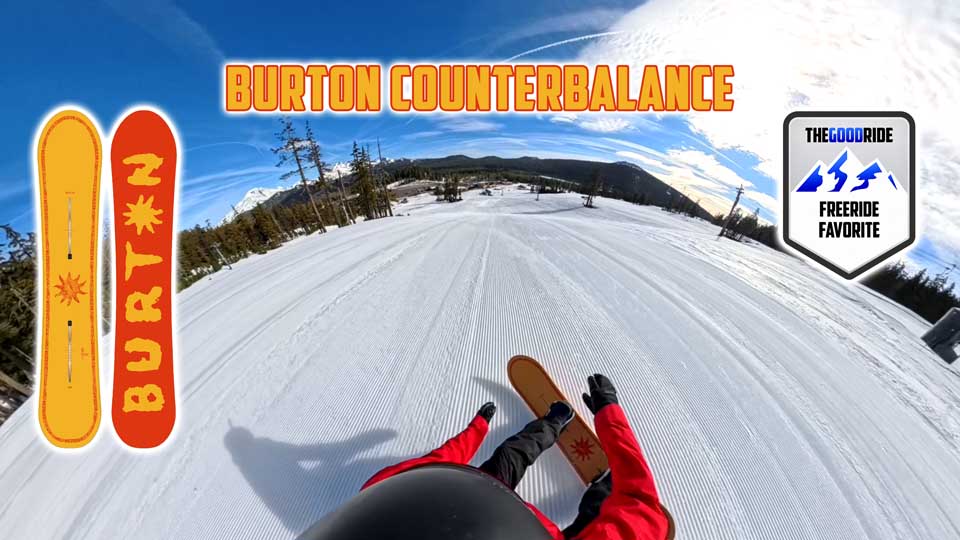
The Burton Counterbalance has some of the best grip I’ve ever seen on a directional Burton board. But it’s a lot more than just grip. Like most directional camber Burton boards, this has great pop for turns and getting air but doesn’t sacrifice too much dampness. I really loved this quick, fun, weight-your-turn-any-way-you-want turning experience, and it’s one of the easiest boards to ride switch on this list. Yet it still feels pretty tapered and directional when you get it in powder. That being said, it’s not one of the best floaters on the list, but it’s still better than most all-mountain boards. To elaborate on this grip, Burton boards often let go a little easier than most other boards in firm to hard snow, but that is not the case with the Counterbalance. It’s not a full-on ice specialist, but it’s so good to see it grip in hard snow and not grab in soft snow. So it’s a great all-day ride, and I’d love to have a 58 in my quiver.
Full Burton Counterbalance Review
Support Us & Use Our Price Comparison Tool:
YES Pick Your Line (Low Cost Favorite) –
Ability Level: Committed Intermediates To Experts
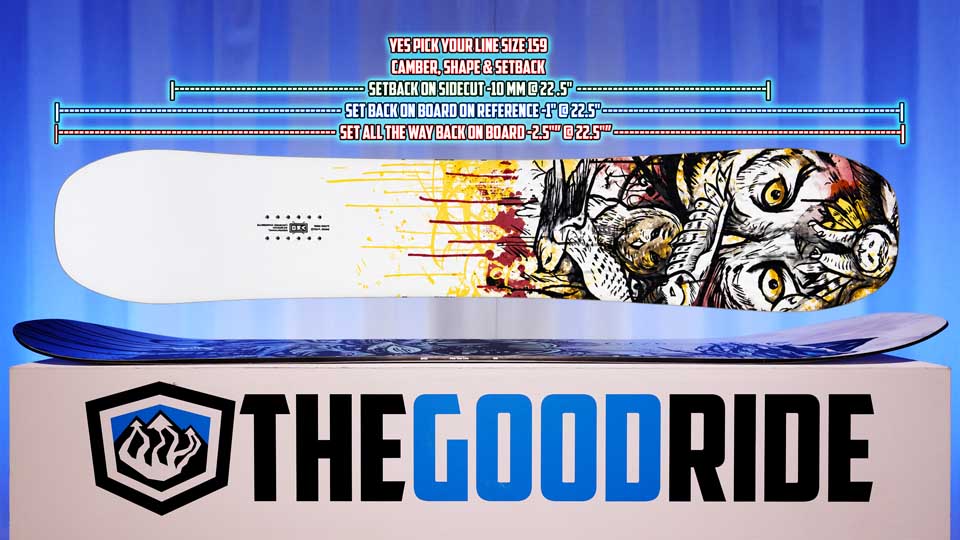
Shape: 6mm Taper, Pretty Directional but Not That Set Back
Camber: Set-back camber with More Rocker Before The Nose Than The Tail
Flex: Medium-stiff tail and Middle. Medium Nose
Positives
- Stiffer for 2026-2027 vs.2025 and A lot stiffer vs. 2024 and earlier models
- Near Excellent Grip
- Great Price
- Great Quick Turning Big Mtn Board
- Can go hard or chill out
Negatives
- Not much setback on board for low-angle pow riding.
- Wish the Underbite was symmetrical
- Would love setback inserts
Why The YES Pick Your Line Might Be For You
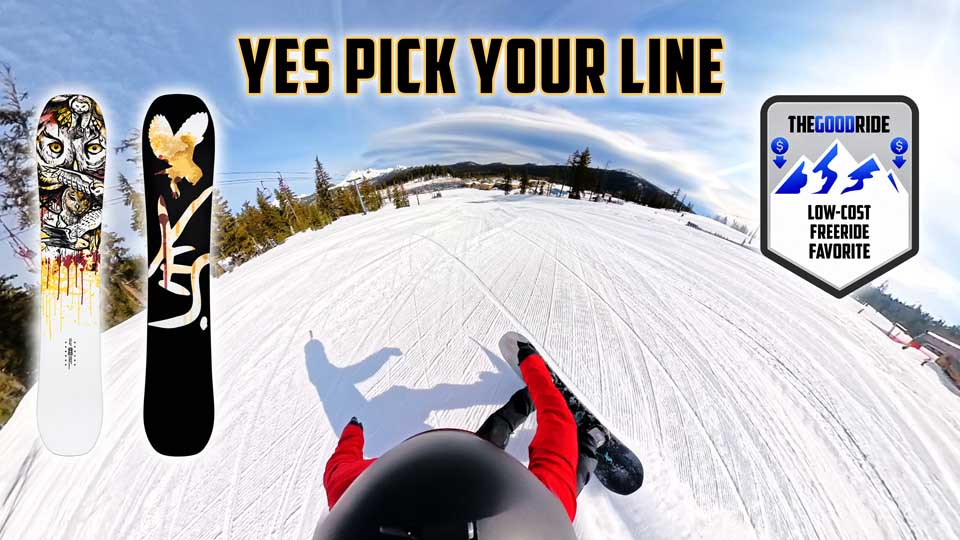
The YES Pick Your Line has been a favorite for a very long time, and while YES is going through a bit of a reorganization and they’re transitioning back to some of the original owners, so it’s harder to find, it’s still a very recommendable ride for this price. The Pick Your Line is not very setback, but it has a very tapered directional feel with near-excellent grip and a pretty fun but a little more back-foot-weighted turning experience unless you set it up really posi. I really wish they’d add setback inserts as they do on so many of their other boards to make it better in low-angle powder. But as it stands now, it’s an excellent steep-angle big mountain board that’s forgiving but still very fun to turn if you’re just having a mellow groomer day. What I like about the Yes Pick Your Line is that even though it’s very centered on board, it has a slashy, turny feel (that’s a lot different from most big mountain boards, except maybe the Stranda Descenders). So it’s great if you like to slash and turn, but you also want a lot of tail behind you to get air. And the combination of a lower price and really competent grip gives this almost a twofer: a low-cost favorite and a hard-snow favorite.
Full YES Pick Your Line Review
Support Us & Compare Prices Here:
If Your Board Didn’t Make This Freeride Favorite’s List
If your board isn’t on this list, check my reviews, see how we categorize boards, and read what I say about them before asking why your board didn’t make the list. So many great boards fit different riding preferences, so your board could still be the best choice for you.
Support Honest Objective Content
As stated above, this isn’t a pay-to-play list, and we review everything from an honest, objective perspective. If you want to support The Good Ride and what we’re all about, these are the best ways to do it.
- Buying Through Our Sponsor, Blauer Board Shop
- If you buy through our other Where To Buy Links, we get paid a small commission. Please make sure we are the last click and don’t use a coupon or discount provider. They take our commission if you do.
- Become a Patron and get early access to reviews well before publication. https://www.patreon.com/thegoodride
- Donate to https://venmo.com/TheGoodRide (@TheGoodRide) or https://paypal.me/thegoodride
- Follow Us: https://www.instagram.com/thegoodride
- Like & Subscribe on YouTube: https://www.youtube.com/@thegoodridesnow
FAQ’s
What is the difference between a freeride snowboard and an all-mountain snowboard?
A freeride snowboard generally has a more directional shape, more setback, and more taper than an all-mountain snowboard. These features favor directional turns, powder float, and riding natural terrain. At The Good Ride, the freeride category sits between all-mountain boards and the more directional, setback shapes in our alternative freeride category.
What is the best 2027 freeride snowboard for a one-board quiver?
The best choice depends on your snow conditions and riding style. The Never Summer Proto Swift DT stands out for its versatility, hard-snow grip, and performance in uneven snow. The United Shapes Cadet is another standout, combining a relatively centered ride on reference stance with exceptional directional powder float when set back. The Cadet’s main limitation is really hard or icy snow.
Which freeride snowboards on this list have the best grip on hard snow?
The Never Summer Proto Swift DT has the strongest grip in our 2027 Freeride Favorites list. The YES Pick Your Line is another strong choice, with near-excellent grip and a lower price than many premium freeride boards. The Jones Flagship Pro also offers very competent hard-snow grip.
Which freeride snowboard is best for deep powder and low-angle terrain?
The United Shapes Cadet offers the easiest directional float on this list when using its setback inserts with compatible full-size binding discs. The Jones Flagship Pro is another strong option, while the Nidecker Megalight also provides very capable directional float. The Weston Gnarnia, Amplid Souly Grail, and YES Pick Your Line are better suited to powder with more pitch than to low-angle powder riding.
What is the best freeride snowboard for steep terrain and big mountain riding?
The Stranda Descender Evolution combines excellent dampness, a very fast base, and a surfy turning feel while retaining useful tail support for natural jumps. The Jones Flagship Pro stands out for straight-lining and easily skidding turns in critical spots. The Weston Gnarnia is another favorite for steeper terrain, balancing pop, composure at speed, and support for bigger airs.
Which freeride snowboard has the most pop for ollies and natural jumps?
The Nidecker Megalight has the most pop of the boards in this list. Its springy construction makes it especially fun for ollies, natural jumps, and back-foot-weighted turns. It also absorbs chatter better than many boards that emphasize lightweight construction and strong pop.
Which freeride snowboard is best for rough snow and reducing chatter?
The Amplid Souly Grail stands out for combining a more accessible flex with excellent chatter absorption. The 2027 version feels lighter and poppier while retaining almost all of its dampness. The Stranda Descender Evolution is another strong option for riders who want a composed ride through uneven snow.
Can you ride switch on a directional freeride snowboard?
Yes, although the directional shape, taper, and setback make it feel different from riding a twin. The Burton Counterbalance is one of the easiest boards on this list to ride switch. The Weston Gnarnia also handles switch landings better than many of these freeride boards. Setting a board far back for powder generally makes switch riding less comfortable.
Are freeride snowboards suitable for intermediate riders?
Many freeride snowboards work well for intermediate riders, but the flex and camber profile matter. Our list includes options for intermediates through experts, with several aimed specifically at committed or aggressive intermediates. The Nidecker Megalight is our advanced-to-expert recommendation. Match the board to your current turning skills, preferred terrain, and willingness to ride a more demanding shape.
What is the best value freeride snowboard on this list?
The YES Pick Your Line is our low-cost favorite. It combines near-excellent edge hold, quick turning, and a directional feel that works for steep terrain and mellow groomer days. Its main compromise is limited setback for low-angle powder, and we would like to see dedicated setback inserts.
What size freeride snowboard should I buy?
Start with a size that fits your boot size and the manufacturer’s recommended rider weight range, then consider your terrain and riding preferences. Width, effective edge, and shape matter alongside overall length, so the same length can feel different across models. The Jones Flagship Pro is a specific example from this list that we prefer riding a little longer; that does not mean every freeride board should be sized up.
Do I need full-size binding discs to use powder setback inserts?
Several boards on this list require compatible full-size discs to use their dedicated powder setback inserts, including the United Shapes Cadet, Never Summer Proto Swift DT, Nidecker Megalight, and Jones Flagship Pro. Mini discs do not provide the same access to those inserts. The Amplid Souly Grail has a mini-disc-compatible extra setback insert for the rear foot, but no matching extra insert for the front foot. Check compatibility and the resulting stance width before choosing a powder setup.