Positives
- Fun turning experience
- Easy switch riding
- Handles wide range of terrain
- Great pop
Negatives
- Limited setback for pow
- Not beginner friendly
- Edge Hold challenged on icy conditions
Summary
The YES Rival is an aggressive park board that can easily transition into a mountain freestyle board. It's super fun to turn and extremely comfortable riding switch. It does have some limitations on icier terrain and at higher speeds, and it's not really designed for deep powder conditions. This board is for the experienced rider who wants to dabble in a little bit of this and a little bit of that without having to compromise on a park-specific board.Where To Buy
No obligation, but these links support the site.
Backcountry
Backcountry

Backcountry
SnowCountry

No Results Found
| Riding Style | Freestyle |
| Riding Level | Intermediate - Expert |
| Fits Boot size (US) | Women's, < 8, 8-10 |
| Manufactured in | Dubai by SWS |
| Shape | True Twin |
| Camber Profile | Mostly Camber |
| Stance | Centered |
| Approx. Weight | Feels Normal |
| Split | No |


|
|
|
|
|
|
|
|
|
|
|
|
|
|
|
|
|
|
|
|
|
|
|
|
|
| On Snow Feel |

|
| Turn Initiation |
|
| Skidded Turns |
|
| Flex |
|
| Buttering |

|
| Edge Hold |

|
Where To Buy
No obligation, but these links support the site.
Backcountry
SnowCountry
No Results Found
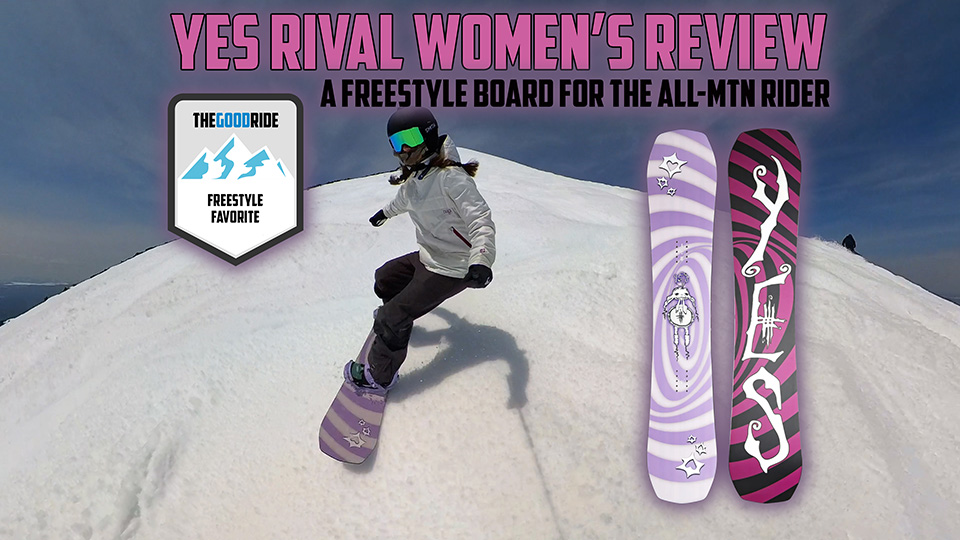
YES Women's Rival Snowboard Review by Jordan Review by The Good Ride
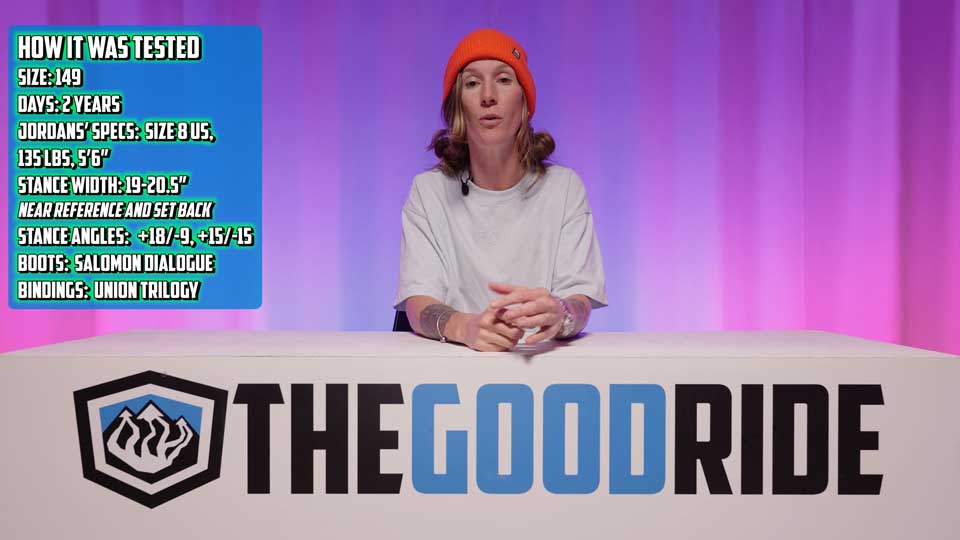
How It Was Tested
I have owned this board since 2024, and also demo’d the 25/26 version. I borrowed it from the vendor and then returned it.
Size: 149 & 152
Days: 10+
Conditions: Groomed, Slush, Icy conditions, 4-6 inches of fresh snow.
Riders: Jordan (Ws size 8, 135lbs, 5’6″)
Boots: Solomon Dialogue
Bindings: Union Trilogy-M, YES Conda-M
Helmet: Oakley MOD1
Goggle: Oakley Lineminer Pro
Jordan’s Set Up: 19.5” Wide. Stance Angles +18/-6, +115/-15. Close to reference on groomers and set all the way back in powder.
Similar Boards We Like (but not the same):
YES HelYes, Capita Birds of a Feather, Jones Airheart
Ethics Statement
I was not paid to write this review, and it reflects an honest, objective perspective with no brand oversight. If this review helped, we’d appreciate it if you support objective content by:
- Buying Through Our Sponsor, Blauer Board Shop
- Buying through our other Where To Buy Links, we get paid a small commission if you do. Please
make sure we are the last click and don’t use a coupon or discount provider. They take our
commission if you do.
- Become a Patron and get early access to reviews well before
publication. https://www.patreon.com/thegoodride
- Donate to https://venmo.com/TheGoodRide (@TheGoodRide) or https://paypal.me/thegoodride
- Follow Us: https://www.instagram.com/thegoodride
- Like & Subscribe on YouTube https://www.youtube.com/@thegoodridesnow
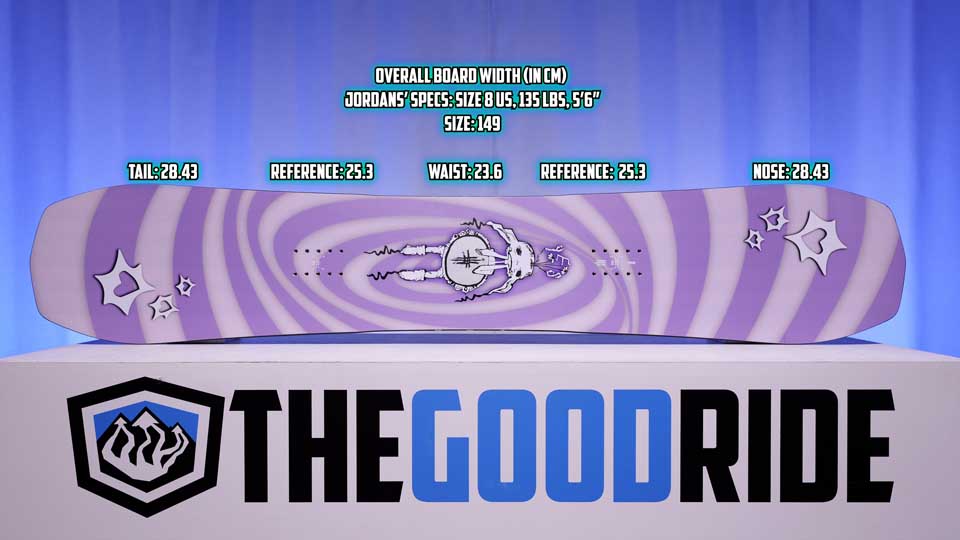
Sizing
I ride a 149.
I have also ridden the 152, but I found that the 149 fits me best while still providing agility and stability.
It’s available in a pretty wide size range of 140, 144, 149, and 152.
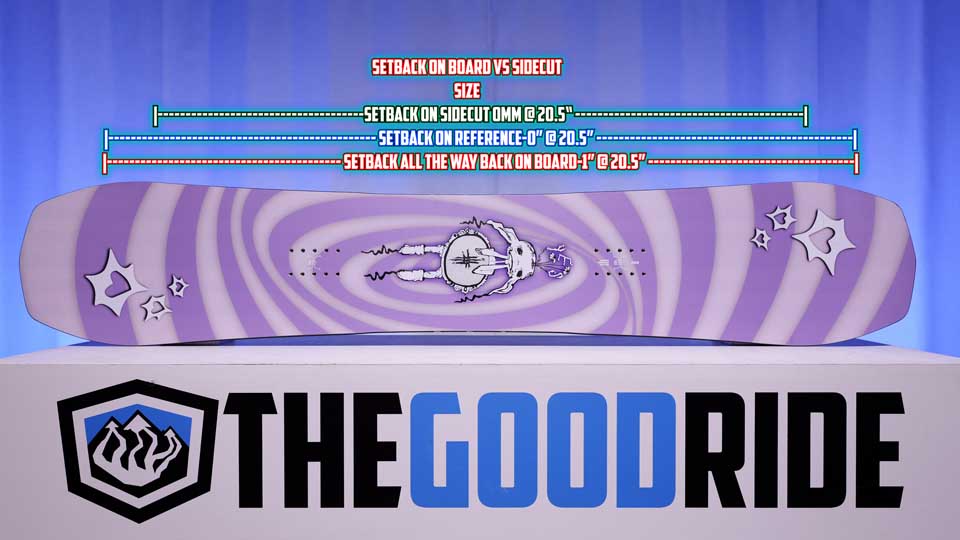
Shape & Setback
The Rival features a true twin freestyle shape.
The stance is actually centered on the board and on the side cut at a reference stance of 20.5.
It has a relatively narrow waist with a 23.6, so be mindful of your foot size when you’re sizing this board.
Again, it’s centered on the board, so even if you do set this all the way back at a reference stance of 20.5, you really only get one inch of extra nose.
This is going to be more of a playful, mountain freestyle board.
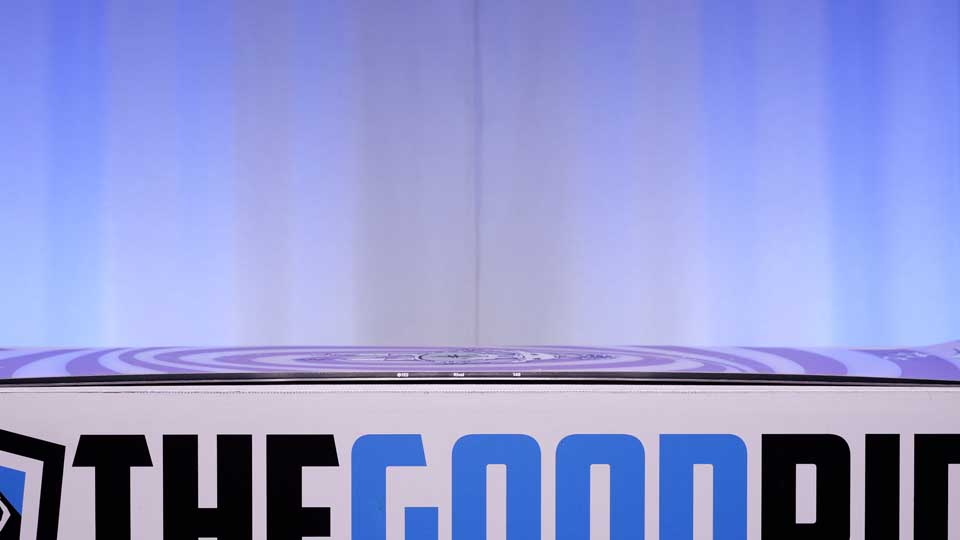
Camber/On Snow Feel
It features a traditional camber past the inserts.
It feels pretty close to a full camber, but it does have a slight transition area in the tip and tail.
Because the rider is centered on the board, it feels pretty comfortable loading and unloading a lift and traversing across flat areas.
This board is capable of doing some skid turns, but it really wants to go on edge and definitely requires some experience.
For this reason, I would recommend this board for experienced riders who are transitioning out of their softer park board or twin board, and they’re looking for something that can handle steeper, more technical terrain without sacrificing the playfulness of a twin.
Edge Hold
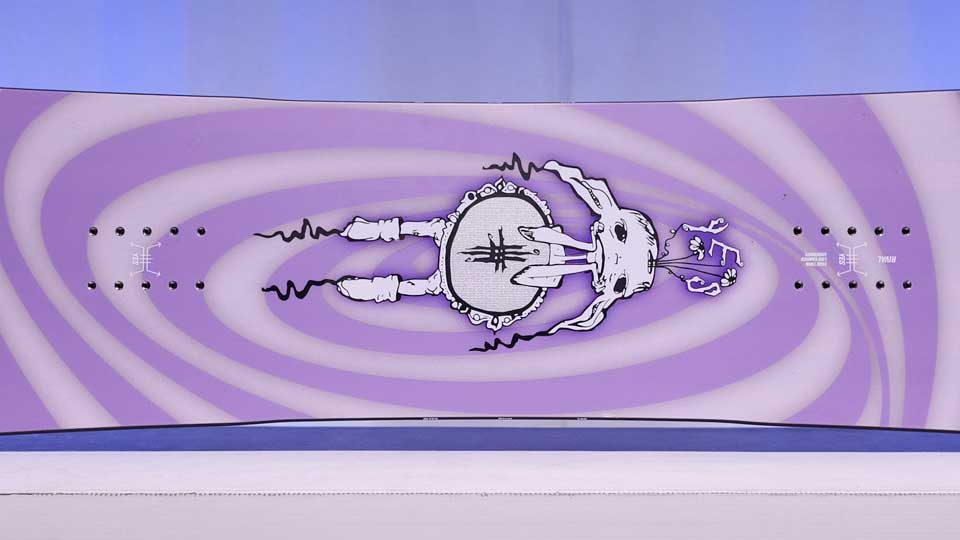
The Rival features an edge disruption called mid bite between the feet and just under the inserts.
This gives the rider exceptional edge control through the middle of a turn, and allows you to lock in the turn as long as your weight stays centered.
Flex Personality
The Rival is mid-stiff flex through the center of the board and slightly softer in the tip and tail.
This gives the board the stability underfoot while also giving it the ability to shift and pop off the tail with relative ease.
It doesn’t take a ton of effort to flex into that nose and tail.
Switch & Park
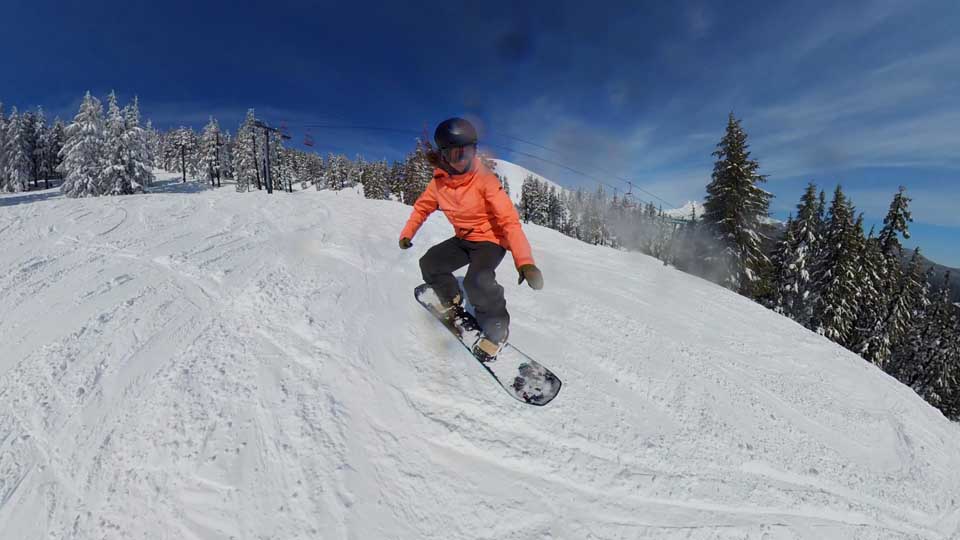
Now, when you take this into more of a freestyle setting, it’s really fun.
I love riding the board switch, and I’ll often find myself kind of popping off the tail switch and back just because it’s so easy and fun.
I think I actually even have some footage of this, of me just switching to toe side and riding the whole way toe side.
So going toe side edge, switching toe side edge, switching toe side edge.
Not something I typically do on most boards, but it’s so easy to do with this board.
The camber profile, coupled with this mid-stiff flex, gives the board exceptional pop off the base and off edge.
It takes a little bit of energy, but that energy comes right back to you.
Uneven Snow
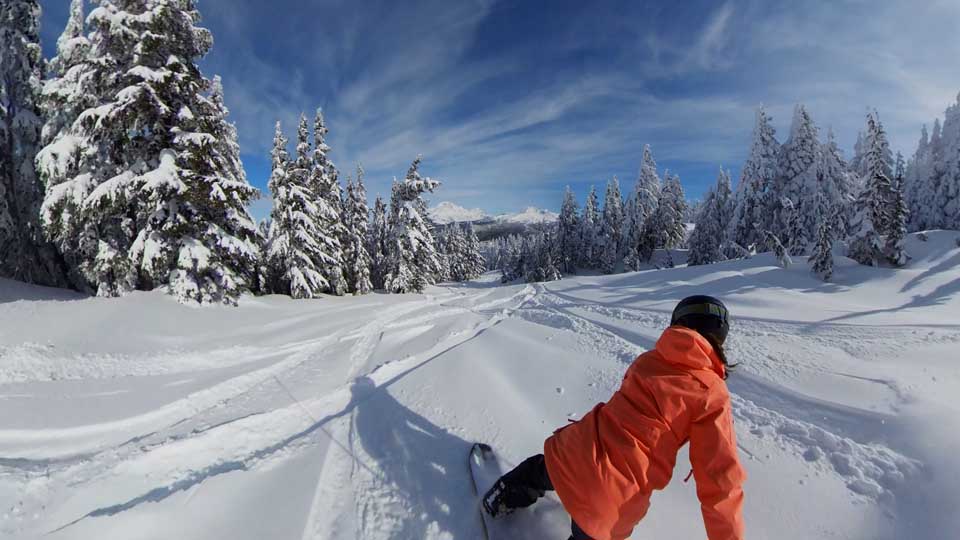
The Rival’s ability to transition from hard, uneven snow to soft, uneven snow is highly dependent on the depth of snow.
It’s best in that 2 to 5-inch range.
This is that sweet spot.
When the snow gets deeper, the board can actually feel divey and definitely requires the rider to lean back to prevent going over.
If you can stay in that sweet spot, this board handles hard and soft tracked out snow really well.
Turning/Carving
Now let’s talk about turning and carving.
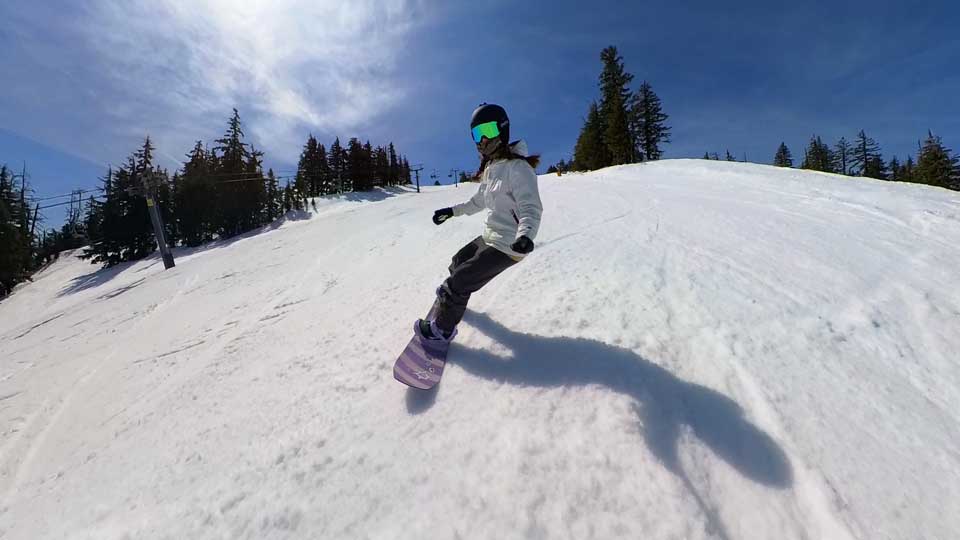
The big thing I noticed with the Rival compared to the Hel YES, which is a directional twin, was its ability to hold an edge at higher speeds.
The Hel YES would sometimes blow through an edge, especially at higher speeds.
I definitely found its limits.
I’ve not had this happen in the Rival.
The one limitation I have found is when you’re trying to really lay down a carve turn at higher speeds.
The Rival initiates a deep carve well, but occasionally, when the board would fall out of the turn, I was, as it was transitioning toward the back foot.
This leads me to think this is a centered board.
It’s designed to be weighted centered, and traditionally, when I go into a carve turn, there’s this transfer of energy from nose to tail.
And I think that when I get back to that tail, it almost releases that camber profile.
I’ve just found that if I really want a big carvy day, to get on a different board, something with a little bit more taper, something set back so I can hold into that tail, which is where the most force is produced in a carving turn.
Base Glide
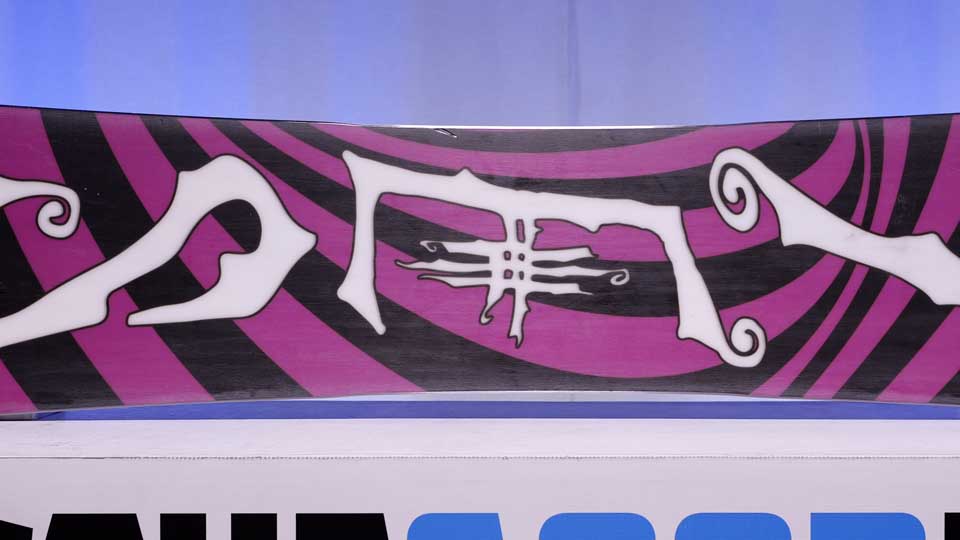
The Rival has a sintered base that is best when paired with frequent weather-specific wax.
With that said, it maintains its speed very well over the course of a season.
I may only wax 2 to 3 times a year based on the use.
Traditionally, this board comes out in the spring when I’m looking to do a little bit more freestyle freeriding.
So I typically keep storage wax on it until the snow gets warmer and wetter.
And then I apply some all-weather or warm wax specific to it.
And I haven’t found it to be too much of a limiting factor in the speed of this board.
Powder
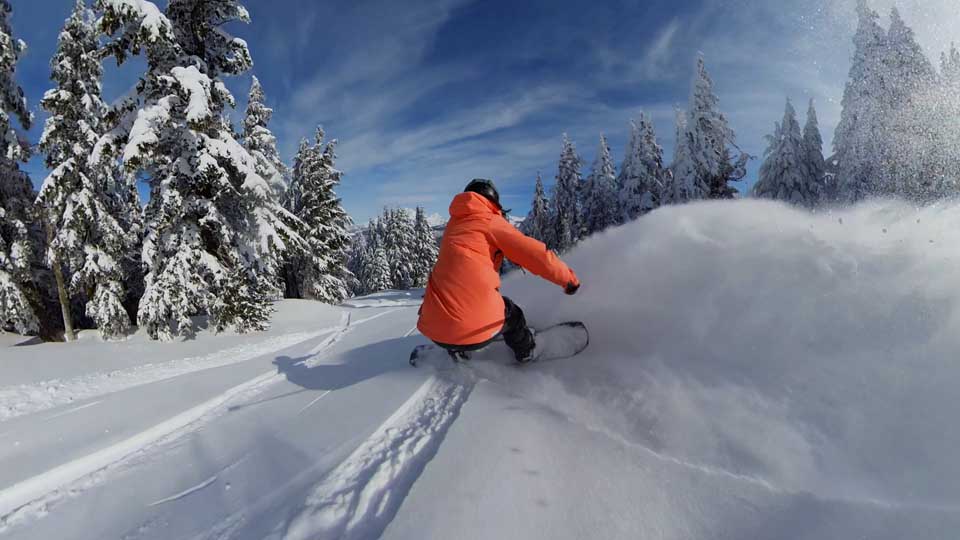
Now, with any true twin, when you take this into powder conditions, it doesn’t really handle well.
It does do well in tight terrain, but it’s really designed to stay on groomed or smaller snow days.
I will say, though, that this board, especially in comparison to a lot of the other twins that I’ve ridden that are more in that mountain freestyle realm, handles well in a variety of slope angles.
I’ve taken this as on low angle where I can be a little bit more playful, a little slower, all the way up to some of our steepest terrain at Bachelor, which, mind you, is not super steep, but still fairly steep.
And as long as you stay centered on the board and you kind of stay forward and sort of charge towards that slope angle, the board handles well.
Its limiting factor is going to be the rider.
If you pull away from the board, if you pull away from the front of the board, it’s going to feel a little bit sloppier.
It’s going to feel a little less edge control.
So just be mindful of this.
That sweet spot is a low to moderate angle where you really want to have some speed, and you want to go fast.
Final Thoughts
This is one of those reviews that is fairly easy for me to do.
I’ve been riding this board for a long time, but I have had a long journey in my pursuit of the perfect twin board.
I started on a soft K2 park board way back when, but I found that once I left the park, it didn’t really ride the way I wanted.
It didn’t allow me to take this to an all-mountain environment.
I then purchased the Birds of a Feather from Capita, which was a perfect transition board.
But as my freeriding skills got more aggressive, I transitioned to the Hel YES from YES.
I still found that the board didn’t quite handle everything I was throwing at it.
I wanted to ride fast, make powerful and quick turns, and be able to flip the switch.
Throw 180s and 360s with a level of comfort and ease that you need as you age, and I wanted to be able to go in the park setting if my confidence was up for that day.
The Rival from YES does all that for me.
YES Rival Specs
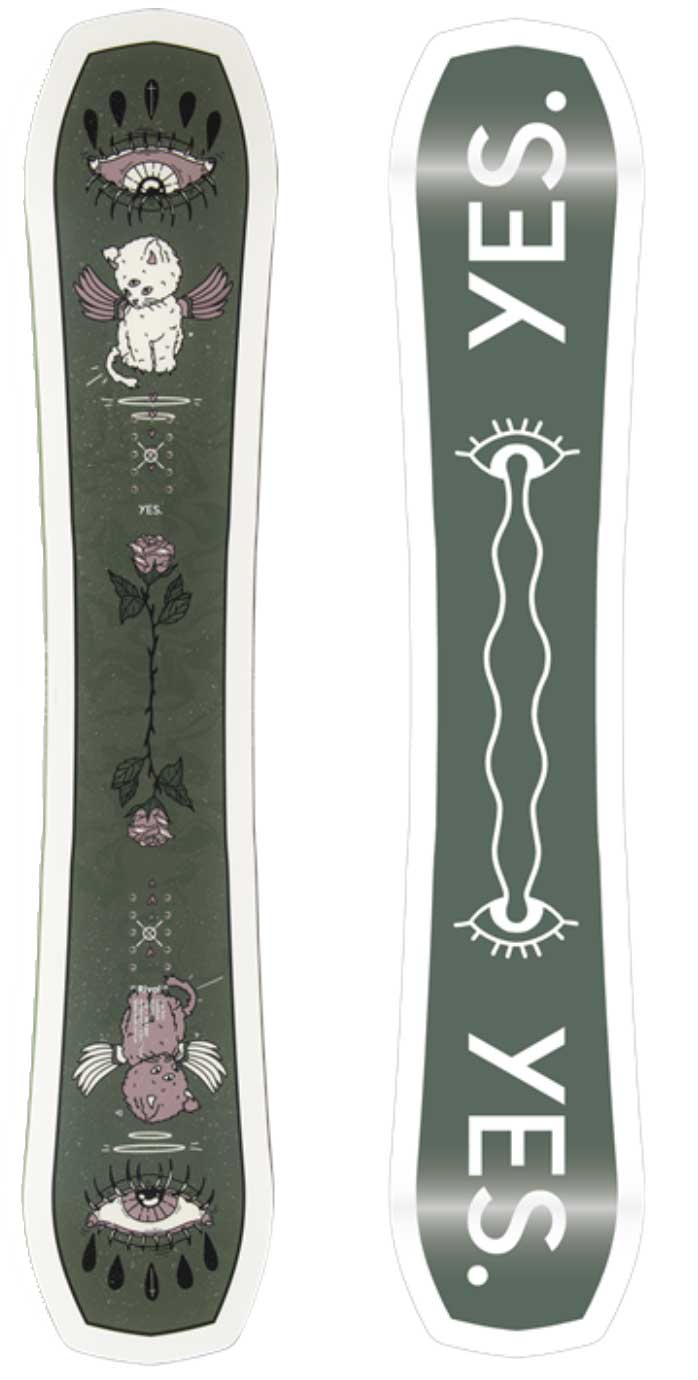
YES Rival Images
We try to get as many images of the YES Rival, but forgive us if they're not all there.
2024
YES Rival User Reviews
Where To Buy
No obligation, but these links support the site.
Backcountry
Backcountry
Backcountry
SnowCountry
Backcountry
Backcountry
Backcountry
SnowCountry
No Results Found
Where To Buy
No obligation, but these links support the site.
Backcountry
Backcountry
Backcountry
SnowCountry
No Results Found