Positives
- Handles well in Steep Consequential Terrain
- Wider underfoot
- Durable Construction
- Hard Charge
Negatives
- Challenge on low pitch/slow speed
- Limited torsional flex
- Better for Advanced Riders
Summary
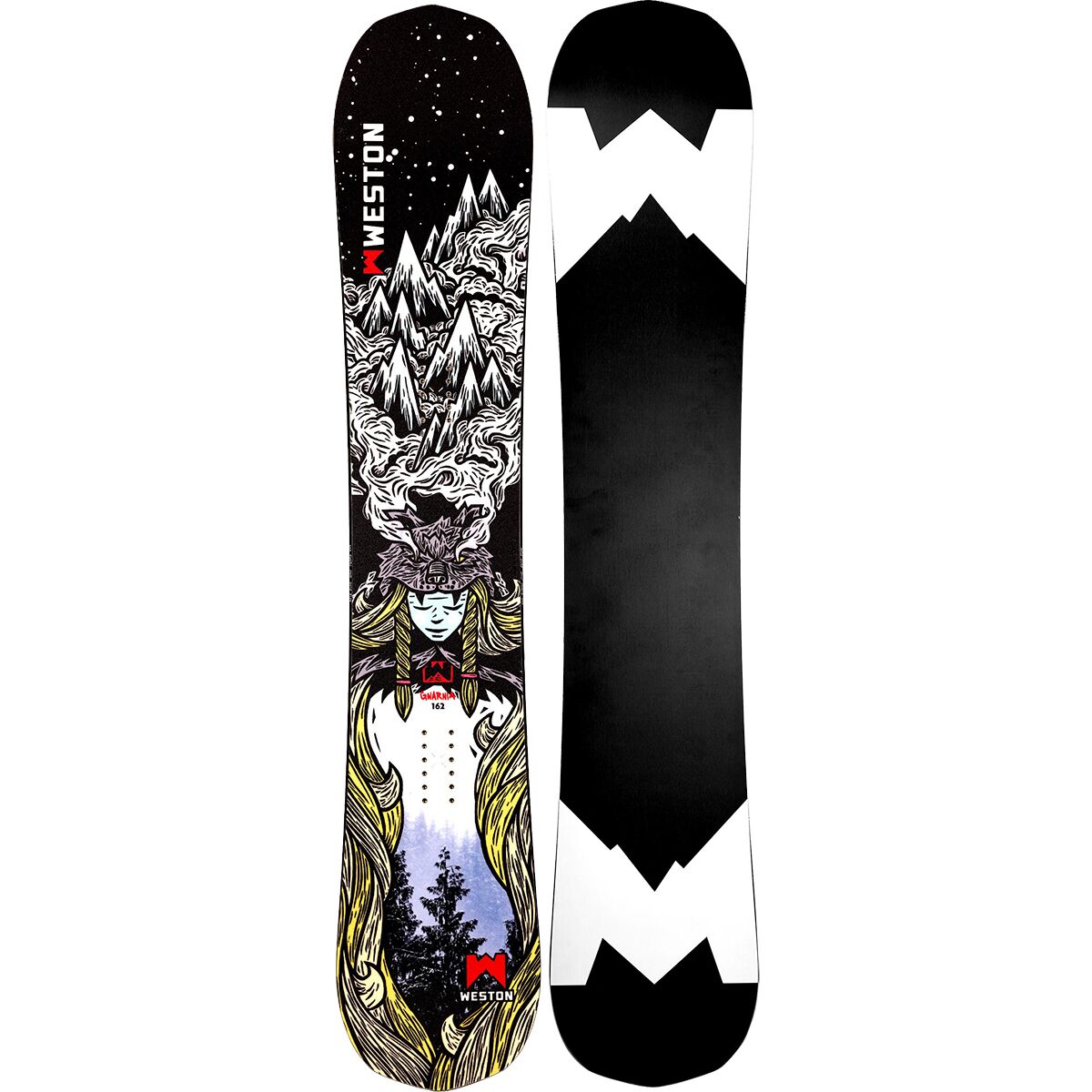
The Weston Gnarnia is a big mountain freeride board built for steep, technical terrain. It feels capable of taking on consequential terrain, but it also feels like a lot of board. It lacks some torsional flex, which creates chunkier transitions. This is definitely an all-business board. It is a hard charger that requires you to stay on your game. The Gnarnia makes the most sense for advanced to expert riders who have the terrain and power to use it. At slower speeds and on lower-angle terrain, it becomes harder to maneuver and control.Where To Buy
No obligation, but these links support the site.
Backcountry
Backcountry

Weston

SnowCountry

No Results Found
| Riding Style | Freeride |
| Riding Level | Advanced - Expert |
| Fits Boot size (US) | 8-10, 10-12, > 12 |
| Manufactured in | GP87 Shenzen China |
| Shape | Directional |
| Camber Profile | Traditional Camber |
| Stance | Setback -10mm |
| Approx. Weight | Feels Heavy |
| Split | Comes in split |


|
|
|
|
|
|
|
|
|
|
|
|
|
|
|
|
|
|
|
|
|
|
|
|
|
| On Snow Feel |

|
| Turn Initiation |
|
| Skidded Turns |

|
| Flex |

|
| Buttering |
|
| Edge Hold |
|
Where To Buy
No obligation, but these links support the site.
Backcountry
Weston

Weston
SnowCountry
No Results Found
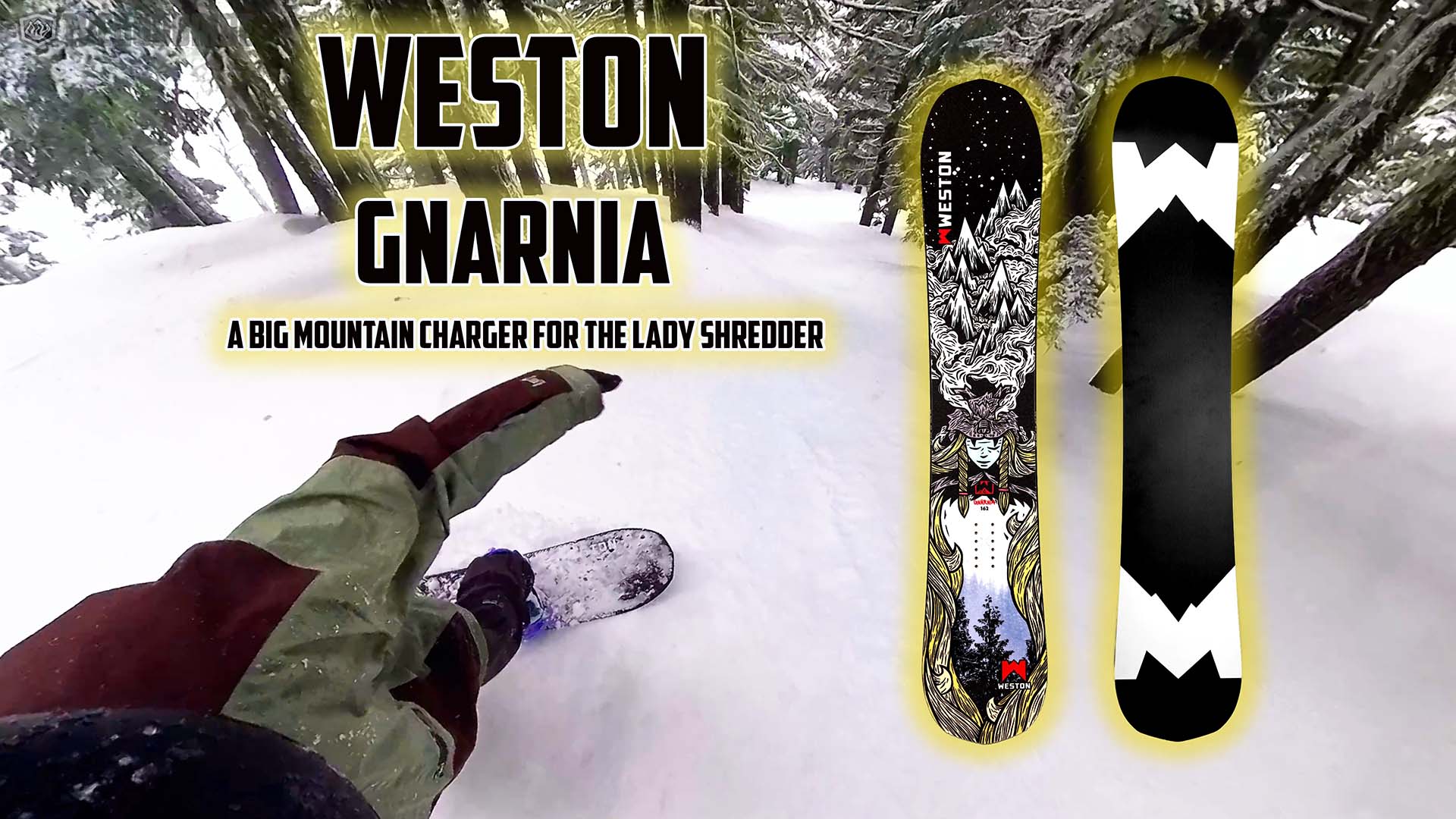
Weston Gnarnia Snowboard Review- A Women's Perspective by Jordan Review by The Good Ride
How It Was Tested:
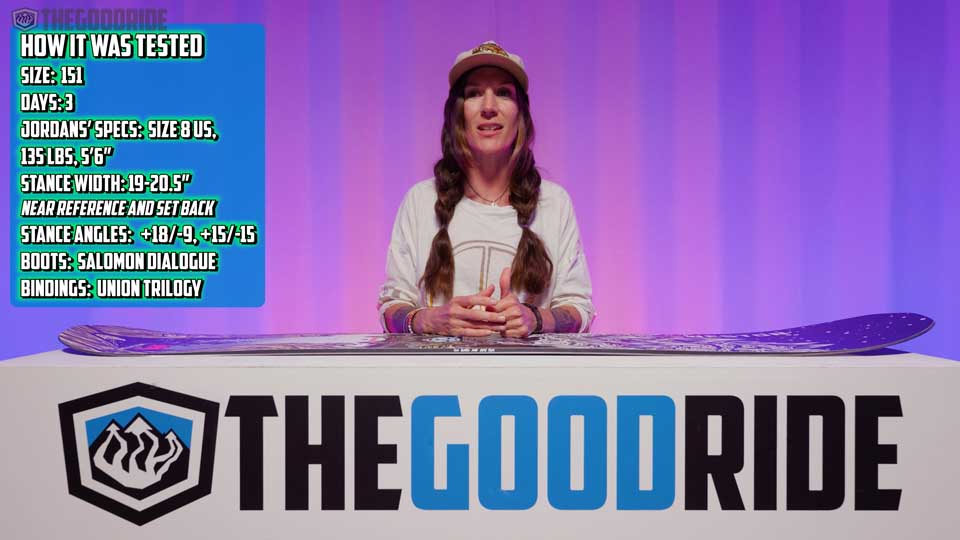
I borrowed the Weston Gnarnia for an extended demo and sent it back.
Size: 151
Days: 3
Conditions: groomers, tracked-out powder, packed powder, and pockets of deeper snow.
Riders: Jordan (Size 8 Ws, 5’6”, 135-140lbs).
Boots: Salomon Dialogue
Bindings: Union Trilogy
Helmet: MOD1
Goggle: LineMiner Pro
Jordan’s Set Up: 19-20.5” Wide. Stance Angles +18/-9, +15/-15. Close to Reference on
Ethics Statement
I was not paid to write this review, and it reflects an honest, objective perspective with no brand oversight. If
this review helped, we’d appreciate it if you support objective content by:
- Buying Through Our Sponsor, Blauer Board Shop
- Buying through our other Where To Buy Links, we get paid a small commission if you do. Please
make sure we are the last click and don’t use a coupon or discount provider. They take our
commission if you do.
- Become a Patron and get early access to reviews well before
publication. https://www.patreon.com/thegoodride
- Donate to https://venmo.com/TheGoodRide (@TheGoodRide) or https://paypal.me/thegoodride
- Follow Us: https://www.instagram.com/thegoodride
- Like & Subscribe on YouTube https://www.youtube.com/@thegoodridesnow
Sizing
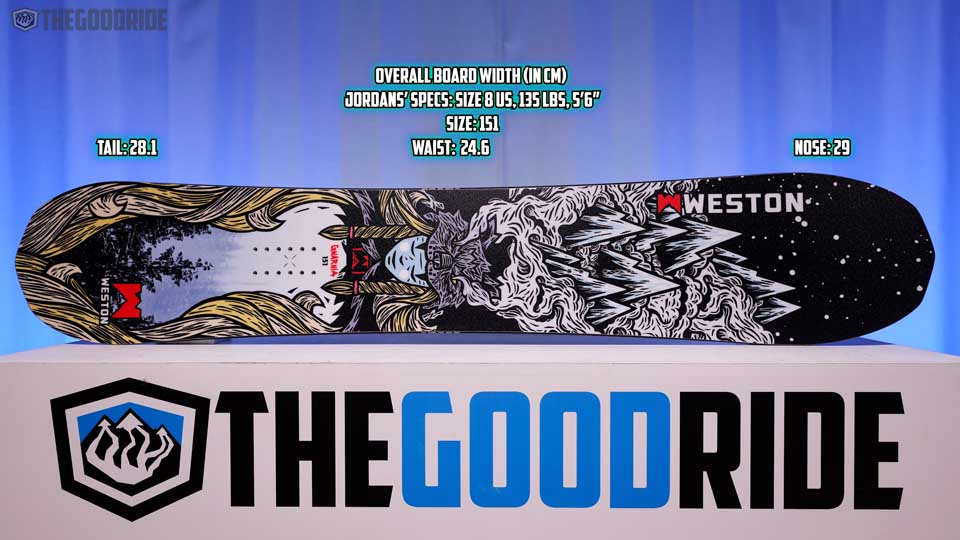
I tested the Gnarnia 151. Weston recommends this size for riders from approximately 105 to 165 pounds. That’s a wide weight range for a 151, since it is a unisex board.
I recommend considering sizing down if you’re near the lower end of that range. That’s especially important given the board’s strong leadership style.
The Gnarnia comes in a wide range of sizes, from 143 up to 166W.
The 151 has a 24.6 cm waist width. That should accommodate approximately a men’s size 8 or women’s size 9 to 9.5 boot.
Shape & Setback
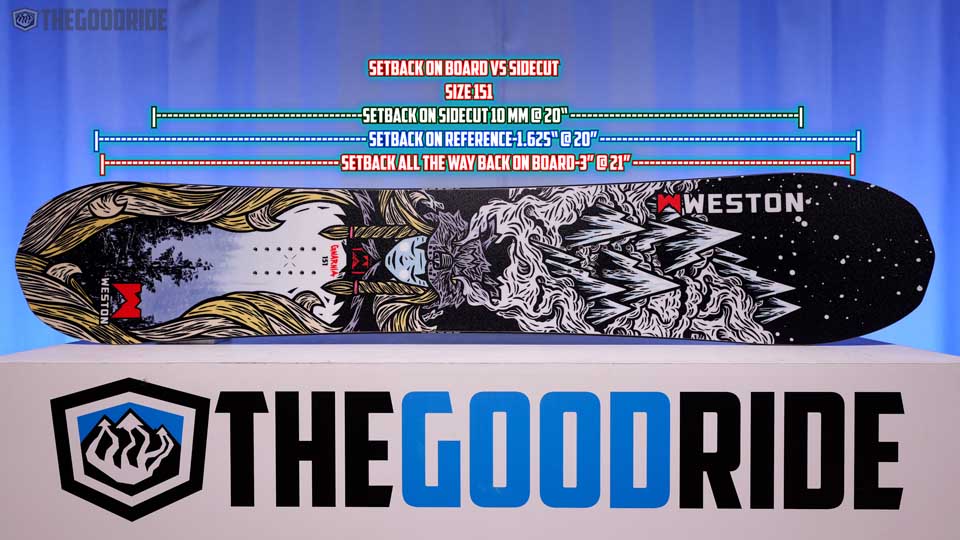
The Weston Gnarnia has a directional freeride shape with a mild 9 mm taper. It also has approximately 10 mm of setback on the sidecut.
At the 20-inch reference stance, you get about 1.625 inches of extra nose. Moving to the furthest setback inserts gives you almost three inches of setback. However, that also increases the stance width to approximately 21 inches.
That additional setback gives you another option for increasing float in deeper snow.
Camber/On Snow Feel
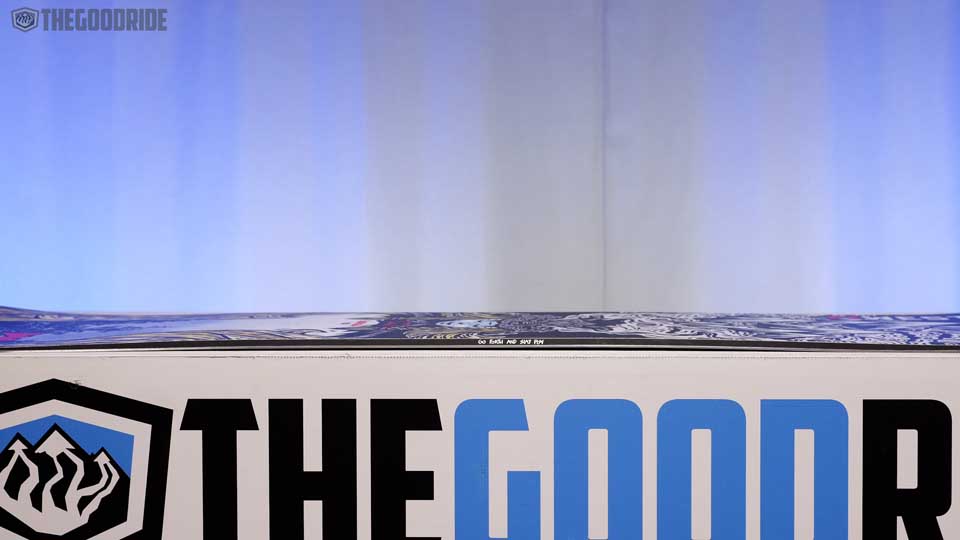
The Gnarnia uses a directional camber profile. The camber extends past the inserts and is slightly set back. This works with the directional shape and setback sidecut.
There is significant rocker through the nose, with only mild early rise in the tail. The 151 also has a relatively long 115 cm effective edge.
Combined with the shape and size, that effective edge creates a lot of board between you and the snow. It provides considerable stability but also creates some disconnection from the terrain.
I noticed this most while riding cat tracks or traversing. The board could feel catchy when flat-basing.
I prefer feeling some of the terrain underneath me. That feedback helps me adapt to changing snow. The Gnarnia made it harder to feel what was happening underneath the board.
I tended to stay slightly on edge instead of flat basing because of that catchy sensation.
The Gnarnia can skid turn, but doing so requires effort. It prefers a centered or forward riding position.
For those reasons, I recommend it for advanced to expert riders. It makes the most sense for riders with access to steeper and more consequential terrain.
Edge Hold
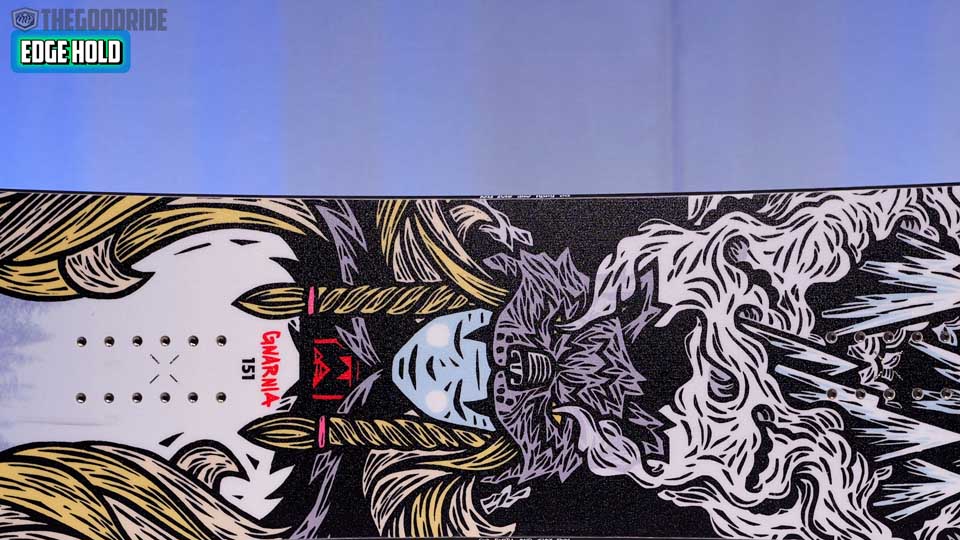
The Gnarnia doesn’t have any visible edge disruption. Edge hold was acceptable in softer conditions and held long enough to transition through turns at higher speeds.
However, icier conditions and steep, tight terrain challenged the edge. I experienced some slipping in icy crust, especially when slowing down through tight trees.
At times, the board would slide downhill instead of locking into the snow. That required quicker corrections than I was expecting.
I also struggled to fully lock the edge while carving, particularly on lower-angle terrain.
I attribute some of this to the board’s stiffness and camber profile. I’m also toward the lower end of the recommended weight range.
Adding speed and power significantly improved the edge hold.
I think this board is better suited to a heavier or more powerful rider. That’s where its performance characteristics start becoming easier to access.
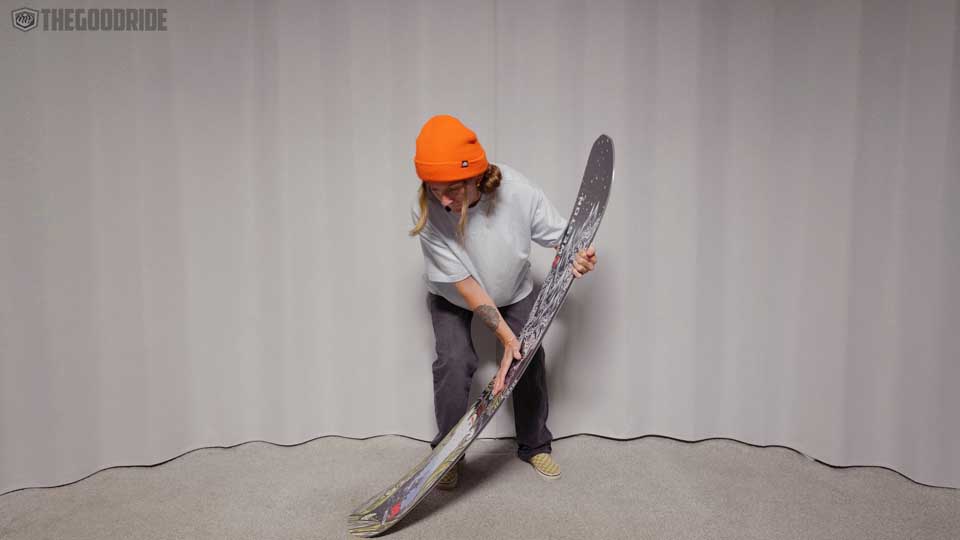
Flex Personality
The Gnarnia is stiffer than the Dream Machine, particularly through the middle and tail.
It doesn’t have the same reactive pop as the Dream Machine. You can still generate pop, but you need enough weight and power to flex the board.
The tail is relatively stiff and lacks some of the springiness of the Dream Machine. Interestingly, the nose is slightly softer.
That creates a directional flex pattern. It transitions from a softer nose into a stiffer middle and tail.
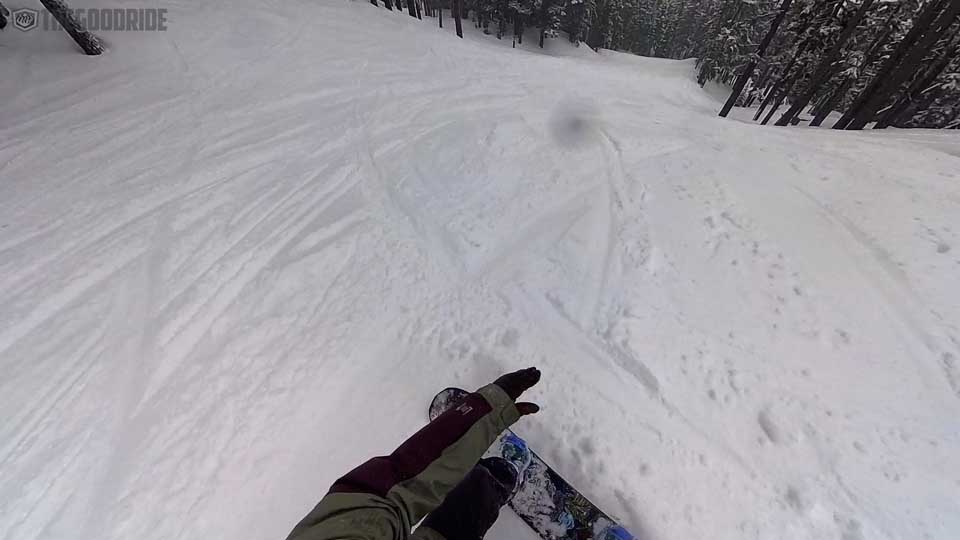
Uneven Snow
I was impressed with how the Gnarnia handled uneven snow without relying on obvious damping technology.
It transitioned well between packed and unpacked tracked-out powder. Its stiff, solid construction allowed it to charge through variable conditions.
There are two sides to that personality.
The same construction created some disconnection from the snow. That prevented me from becoming particularly playful with the board.
This became challenging in softer, uneven terrain where I wanted quicker movements. I sometimes wanted to maneuver toward pockets of untracked snow, but the Gnarnia wasn’t especially nimble.
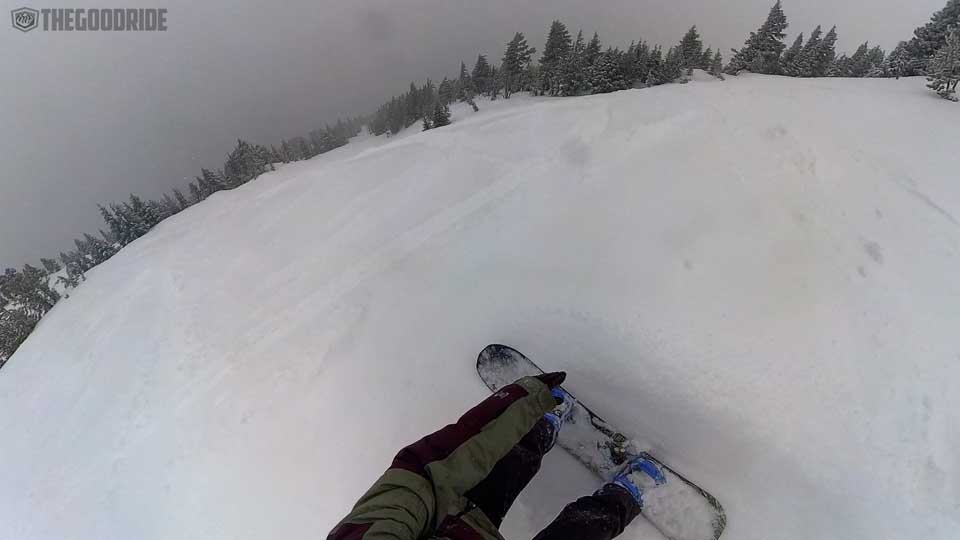
Turning/Carving
The Gnarnia was a lot of fun to turn. Its turn initiation reflects the variable sidecut radius.
The sidecut starts relatively large at 9.5 meters. It progressively changes through 7.6 and 7.3 meters before finishing around 8.6 meters.
Mechanically, this creates a slower initiation through the front of the board. Once you enter the turn, the smaller radius through the middle quickens the arc.
The larger radius toward the tail helps the board finish and hold through steeper terrain. That’s especially noticeable when you can flex the board and recruit the entire effective edge.
It also gives the Gnarnia a slightly surfy feeling through turns.
However, this board is a beast. It’s designed around big, long, powerful turns rather than playful riding.
I struggled somewhat with carving because I couldn’t consistently lock into the edge. The board improved considerably as my speed increased.
Without enough speed, power, and force, it could feel harder to control. I struggled to engage the entire edge and complete a full carve.
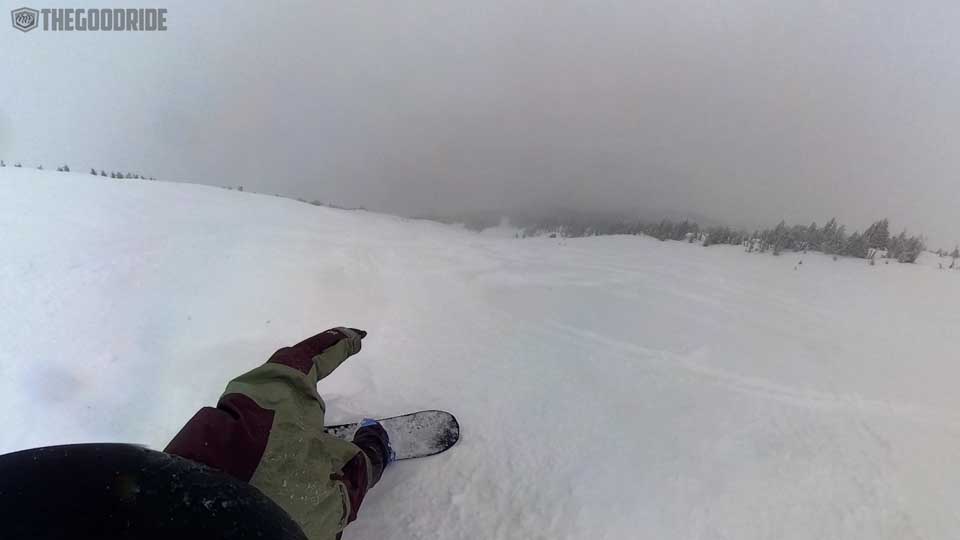
Speed
The Gnarnia is extremely comfortable at higher speeds. This is where the board makes the most sense.
Its lane is fast, powerful riding in steep terrain.
Take it out of that environment, and its personality changes. It can feel catchy and harder to maneuver at slower speeds.
This is a big, substantial board designed to charge and manage significant forces. If you aren’t generating those forces, you feel the amount of board underneath you.
Base Glide
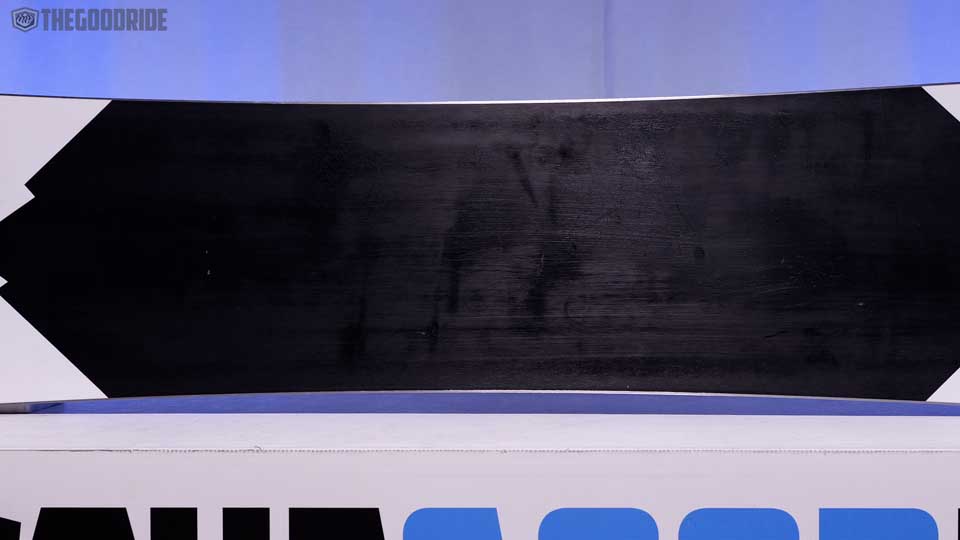
The Gnarnia comes with a sintered 4001 base.
My demo board arrived with a factory wax, and the glide initially felt somewhat slow. Applying weather-specific wax significantly improved its performance.
Like most sintered bases, it should benefit from regular weather-specific waxing and occasional professional tuning.
Powder
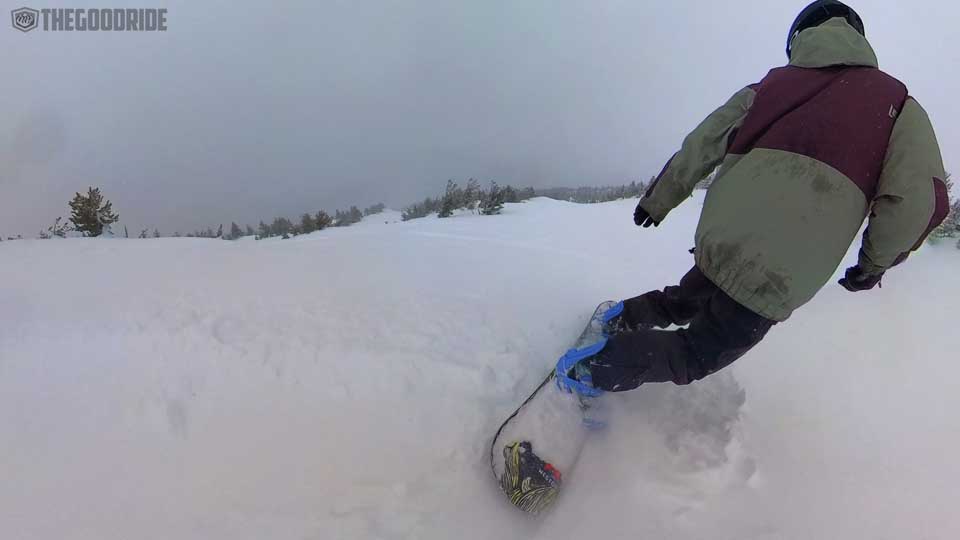
I specifically searched for steeper terrain to see how the Gnarnia performed in its intended environment.
Mount Bachelor doesn’t offer endless steep terrain, but I found some of our steeper areas and lucked into good powder.
The Gnarnia was surprisingly good in powder. I wasn’t using the maximum setback, and I rode it at the reference stance.
The softer snow made it easier to push through turns without worrying as much about edge hold. It also allowed more quickness and playfulness.
I could finally access some of the surfier feeling in the board.
The disconnection I experienced on harder groomers and uneven snow also decreased. Higher speeds and softer snow put the Gnarnia into terrain better suited to its design.
Final Thoughts
Weston was born out of the big mountains of Colorado. As a previous Colorado local, I know how much those mountains have to offer in steep and technical terrain.
The Gnarnia feels like a board designed around that environment.
Its shape, camber profile, flex, and overall personality favor terrain requiring speed and strength. This board makes the most sense in steep, consequential environments.
However, that personality becomes challenging on lower-angle terrain and at slower speeds. The board becomes harder to flex, which can reduce edge control.
It also requires the rider to keep charging and stay engaged. That’s exhausting and isn’t realistic for every rider or every day on the mountain.
The Gnarnia is for an aggressive rider looking to get into challenging vertical terrain. When you get on the Gnarnia, it’s all business.
But business is good.
Weston Gnarnia Specs
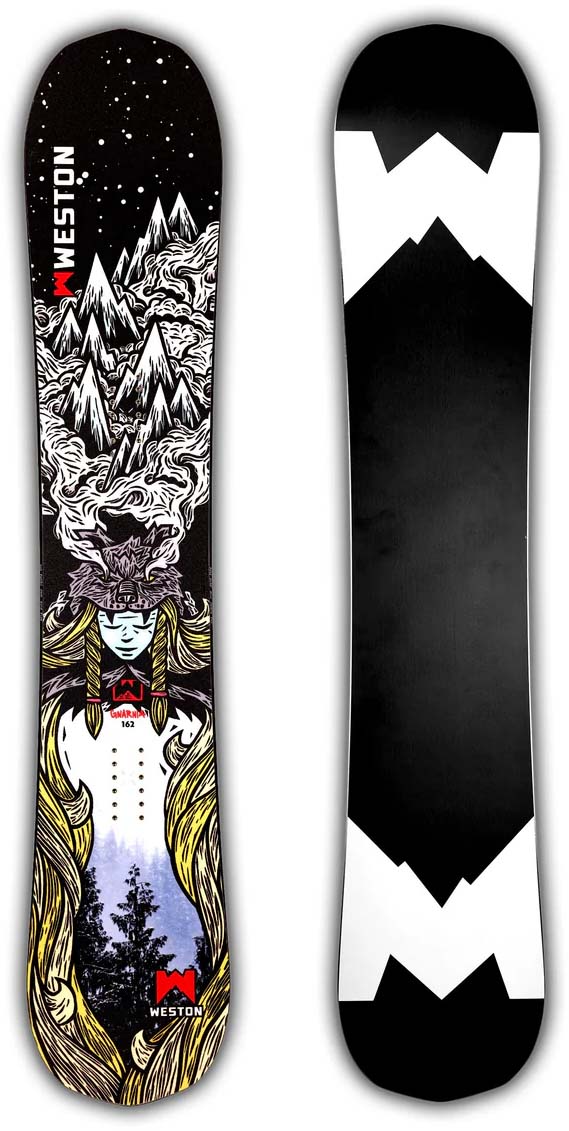
Weston Gnarnia Images
We try to get as many images of the Weston Gnarnia, but forgive us if they're not all there.
2026
Weston Gnarnia User Reviews
Where To Buy
No obligation, but these links support the site.
Backcountry
Backcountry
Weston
Weston
SnowCountry
No Results Found
Backcountry
Backcountry
Weston
SnowCountry
No Results Found
Where To Buy
No obligation, but these links support the site.
Backcountry
Backcountry
Weston
Weston
SnowCountry
No Results Found