Positives
- Quick to Turn
- Super Stable
- Rides Centered
Negatives
- Requires Effort
- Feels like a twin more than directional
- Wax retention is poor
Summary
A Short Summary
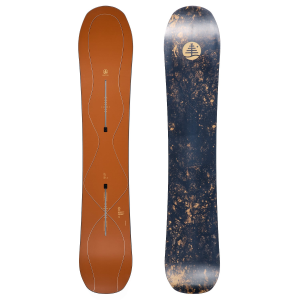
The Burton Time Thief is a mid-aggressive, directional all-mountain board with a surprisingly centered feel. It takes more effort to manipulate than the Counterbalance, but there is also more board underneath you to push against. The faster and harder I rode it, the more accessible it became. What stood out most was the turning. Despite its stiffer flex, the Time Thief gets on edge quickly and stays there. This board isn't hard to turn. It wants to turn. You just need to let it turn.Where To Buy
No obligation, but these links support the site.
Blauer Board Shop


evo
No Results Found
No Results Found
| Riding Style | All Mountain |
| Riding Level | Intermediate - Expert |
| Fits Boot size (US) | Women's, < 8, 8-10, 10-12, > 12 |
| Manufactured in | Austria |
| Shape | Directional |
| Camber Profile | Mostly Camber |
| Stance | Setback -20mm |
| Approx. Weight | Feels Heavy |
| Split | No |


|
|
|
|
|
|
|
|

|
|
|
|
|
|
|
|
|
|
|
|
|
|
|
|
| On Snow Feel |

|
| Turn Initiation |
|
| Skidded Turns |

|
| Flex |

|
| Buttering |
|
| Edge Hold |
|
Where To Buy
No obligation, but these links support the site.
Blauer Board Shop
evo
No Results Found
No Results Found
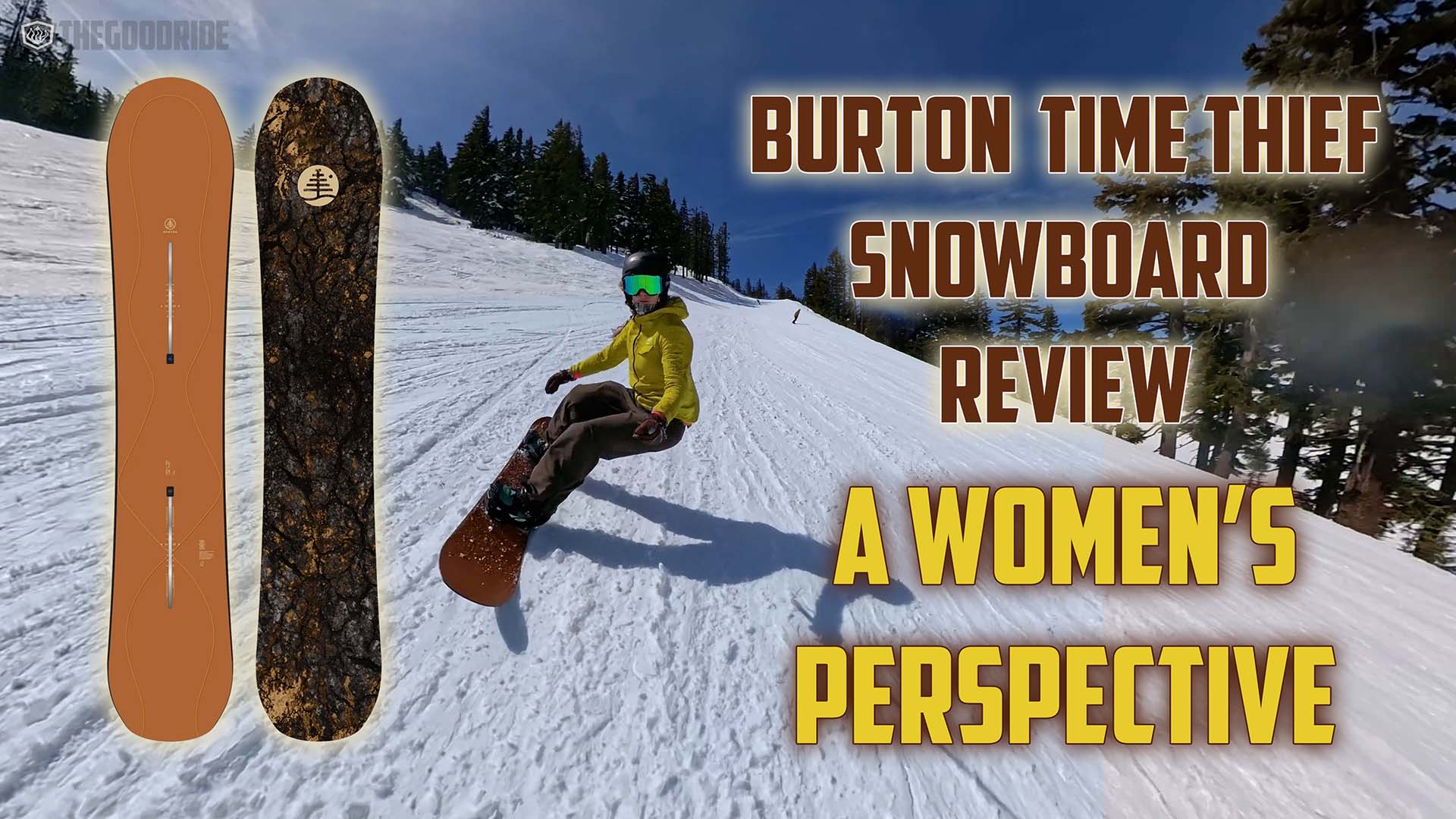
Burton Time Thief Snowboard Review by Jordan Review by The Good Ride
How It Was Tested:
I borrowed the Burton Time Thief for an extended demo and sent it back.
Size: 148
Days: 7
Conditions: Late-season Pacific Northwest conditions, including slush, set-up slush, ice, and uneven tracked-out snow.
Riders: Jordan (Size 8 Ws, 5’6”, 135-140lbs).
Boots: Salomon Dialogue, Size 7
Bindings: Union Trilogy, Medium
Helmet: MOD1
Goggle: LineMiner Pro
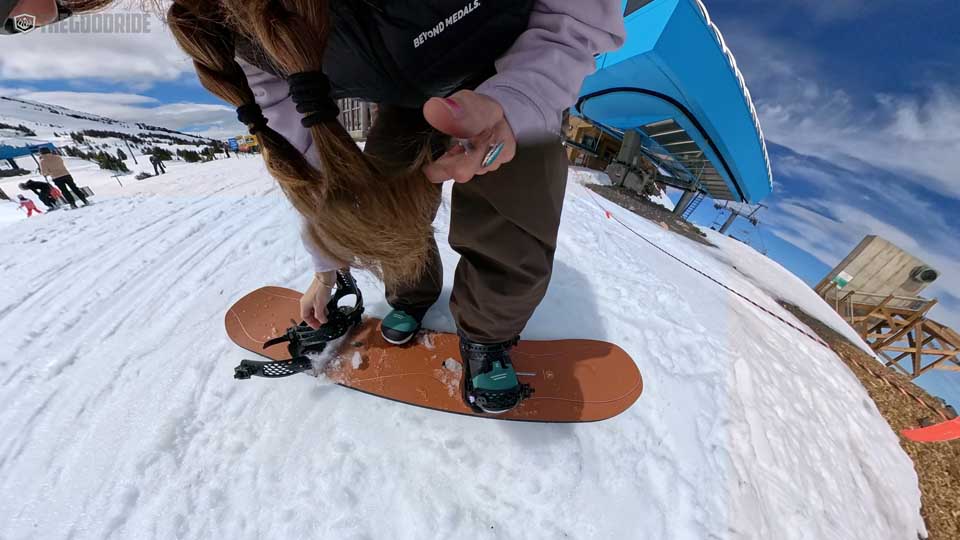
Jordan’s Set Up: 19” wide. Stance Angles +18/-9. I originally rode the 21” reference stance but experienced some foot pain, so I brought it into a more comfortable 19”.
Ethics Statement
I was not paid to write this review, and it reflects an honest, objective perspective with no brand oversight. If this review helped, we’d appreciate it if you support objective content by:
- Buying Through Our Sponsor, Blauer Board Shop
- Buying through our other Where To Buy Links. We get paid a small commission if you do. Please make sure we are the last click and don’t use a coupon or discount provider. They take our commission if you do.
- Become a Patron for early access to reviews well before publication: https://www.patreon.com/thegoodride
- Donate: https://venmo.com/TheGoodRide (@TheGoodRide) or https://paypal.me/thegoodride
- Follow us: https://www.instagram.com/thegoodride
- Like and subscribe on YouTube: https://www.youtube.com/@thegoodridesnow
Similar boards but not the same:
Sizing
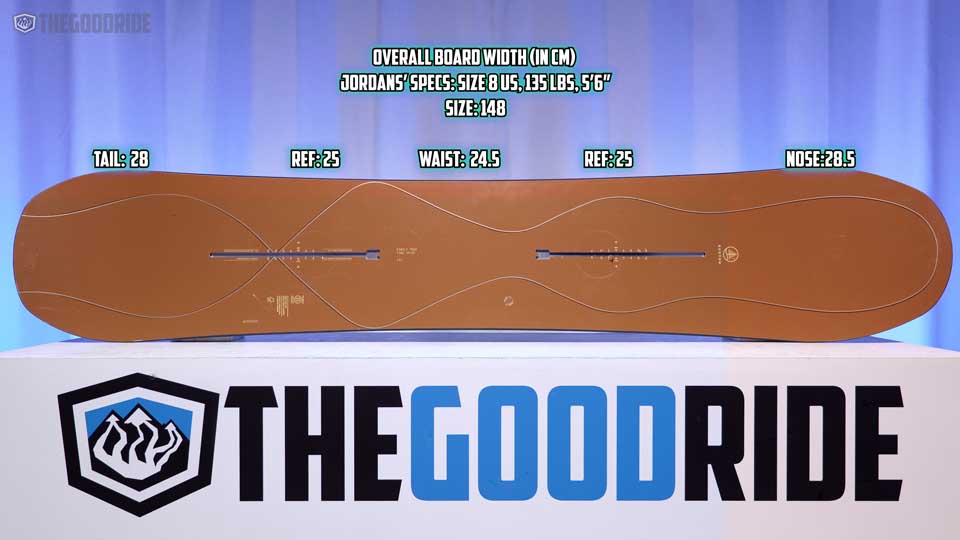
I rode the 148, and for my weight and size 8 foot, it felt perfect.
There was plenty of board under my feet without it feeling too long.
The Time Thief also comes in a pretty large size range, from 144 up to 164.
Durability
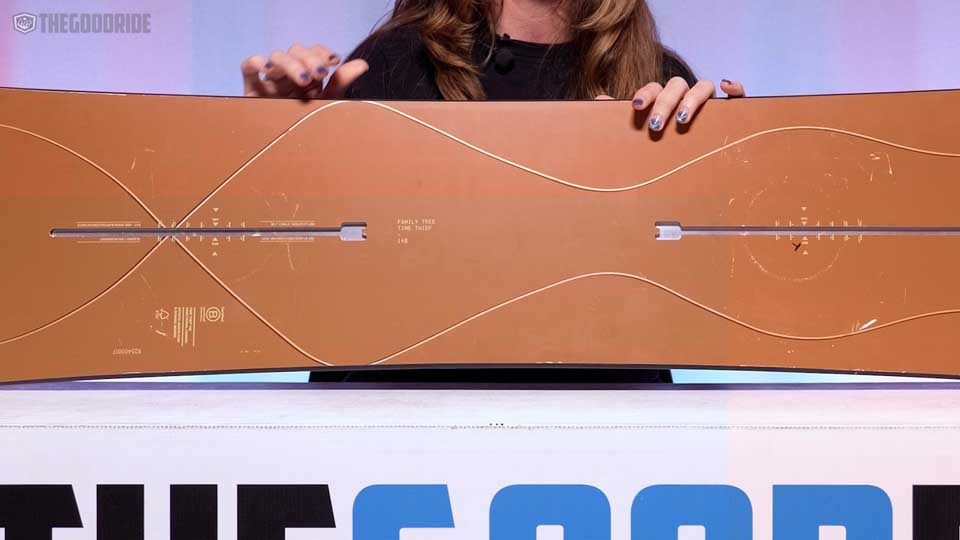
I didn’t have the Time Thief for a long time, but this was a demo board that came to me at the very end of demo season. That gave me a pretty good representation of what a season of riding might look like.
There was noticeable cosmetic wear, especially fading underneath the bindings.
Structurally, however, it held up well. I saw very little chipping or delamination, and the edges were still in really good condition.
Most of the visible wear was limited to the topsheet.
Shape & Setback
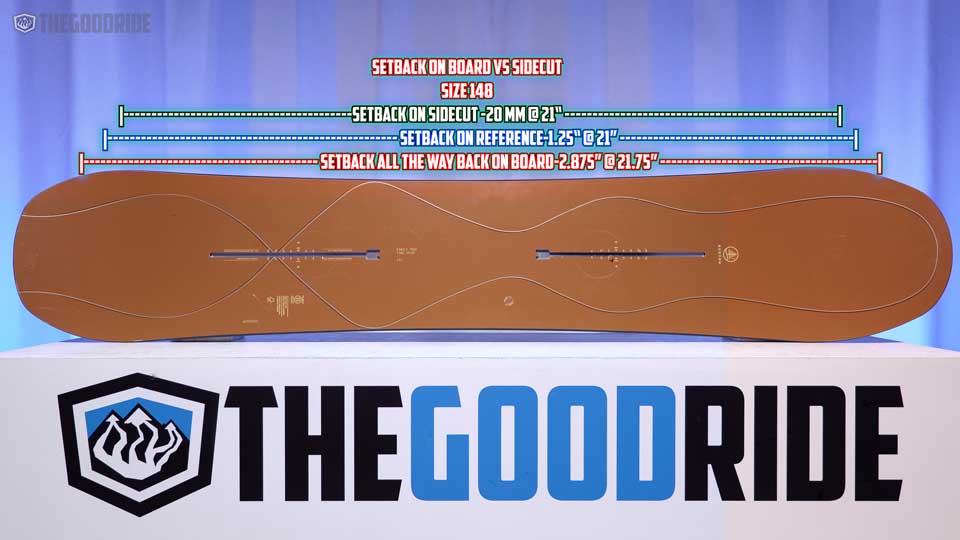
The Time Thief has a directional all-mountain shape with about 5mm of taper and 20mm of setback.
Burton uses its Balanced Freeride Geometry, which centers the sidecut and effective edge underneath your feet. That was noticeable.
Despite the directional shape, mild taper, and setback stance, the Time Thief rode surprisingly centered.
There is also quite a bit of room to move the stance back for deeper snow. The problem I ran into was stance width. Moving it all the way back increased my stance to around 22”.
At 5’6”, with some preexisting knee issues, that’s simply too wide for me to ride comfortably.

Camber / On-Snow Feel
Like many boards in Burton’s Family Tree line, the Time Thief has directional camber.
It is predominantly camber with rocker in the nose and a slight early rise in the tail. The camber itself is centered underneath the rider.
My immediate impression was stability.
It had that close-to-the-ground feel I’ve become accustomed to with Burton boards, but this felt stiffer and potentially more aggressive than the Counterbalance.
There was more resistance underneath my feet. It required more input and more effort to manipulate.
But there was also way more board to push against when I started riding harder.
That’s why I put the Time Thief in the mid-aggressive category. It is almost full camber and takes effort to ride, but that effort pays off.
With its camber-dominant profile, stiffer flex, and the amount of rider input it requires, I would put the Time Thief in the advanced-to-expert range.
Edge Hold
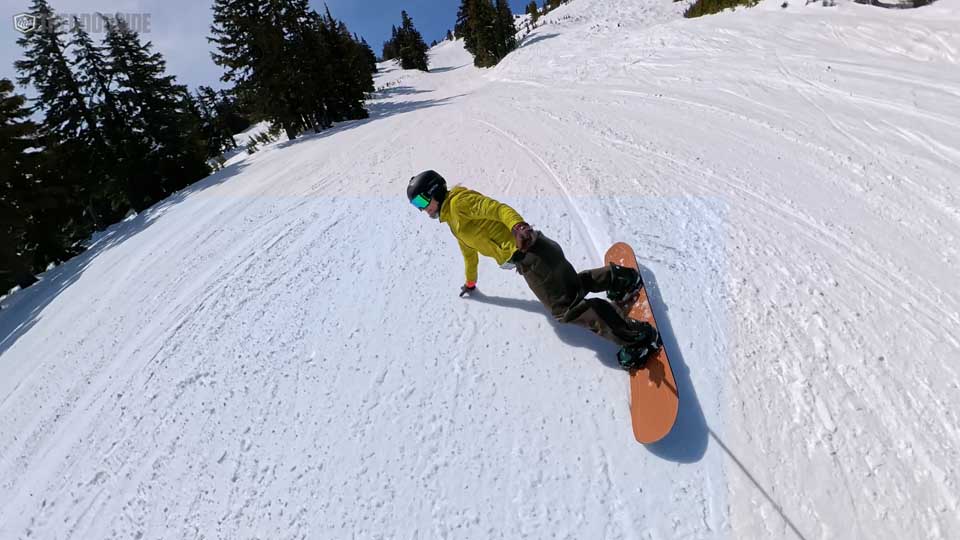
Burton isn’t typically known for having the strongest edge hold, and I’ve experienced some Burton boards wanting to wash.
The Time Thief was surprisingly solid, especially in softer and smoother conditions. It felt more locked in than I typically expect from Burton.
Weighting the board correctly mattered, though.
When I aggressively drove the front through a longer carve, I could occasionally get the tail to release near the end of the turn.
Transferring my weight across the board made a difference. A centered or even slightly back-foot-dominant riding position gave me more consistent edge hold.
Flex Personality
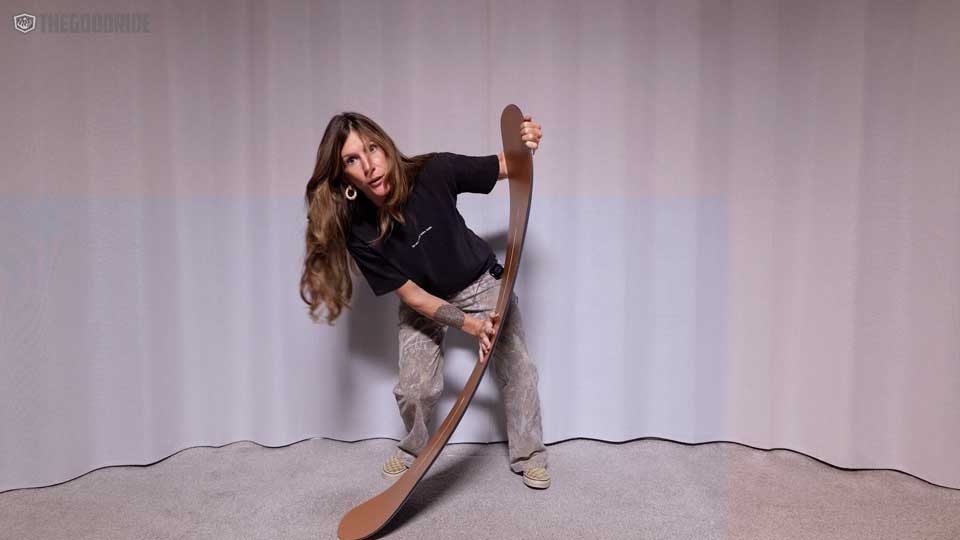
The Time Thief is pretty stiff longitudinally through the center of the board, and the tail maintains quite a bit of that stiffness.
The interesting part is what happens underneath the feet.
There is more give directly underfoot before the board stiffens again toward the tail. The nose also has slightly more softness.
Compressing the centered camber produced a decent amount of movement and noticeable rebound.
That creates an interesting flex personality. There is plenty of longitudinal support, but more localized give underneath the feet than the overall stiffness initially suggests.
That relationship became especially noticeable once I started turning the board.
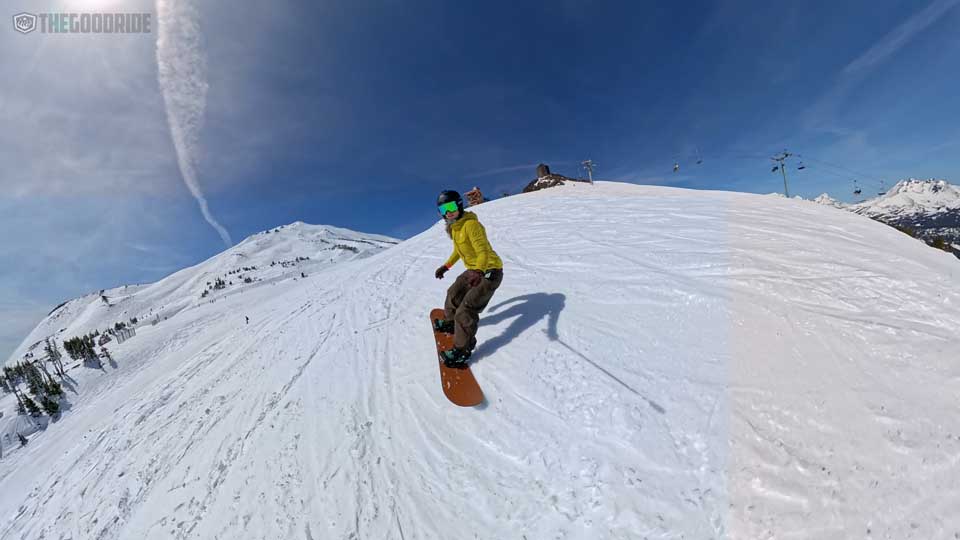
Uneven Snow
The Time Thief handled both hard and soft uneven snow really well.
It had the same damp, grounded feeling I associate with the Counterbalance and Cartographer. It absorbed a lot of the movement underneath me and stayed composed through tracked-out snow.
This is one place where its heavier feel worked in its favor.
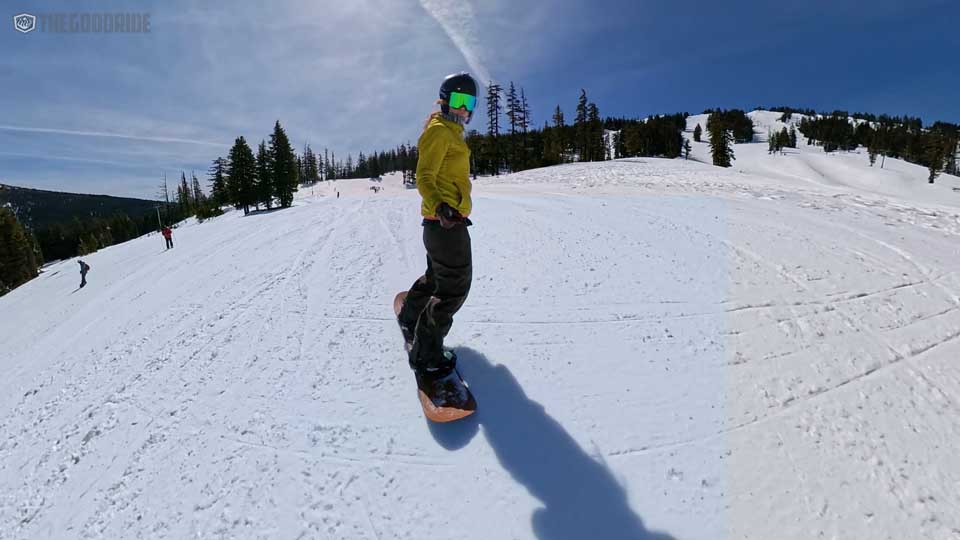
Switch & Park
I didn’t take the Time Thief into a park setting, but I did ride it switch and hit some natural jumps.
It rode switch really well for a directional board. The centered geometry allows the Time Thief to emulate a twin more than I expected.
Natural jumps also felt predictable.
I could pop off an edge, off the tail, or from the center of the board, and it reacted much like a twin would.
I wouldn’t choose the Time Thief specifically for freestyle riding, but it’s completely manageable for occasional switch riding and natural features.
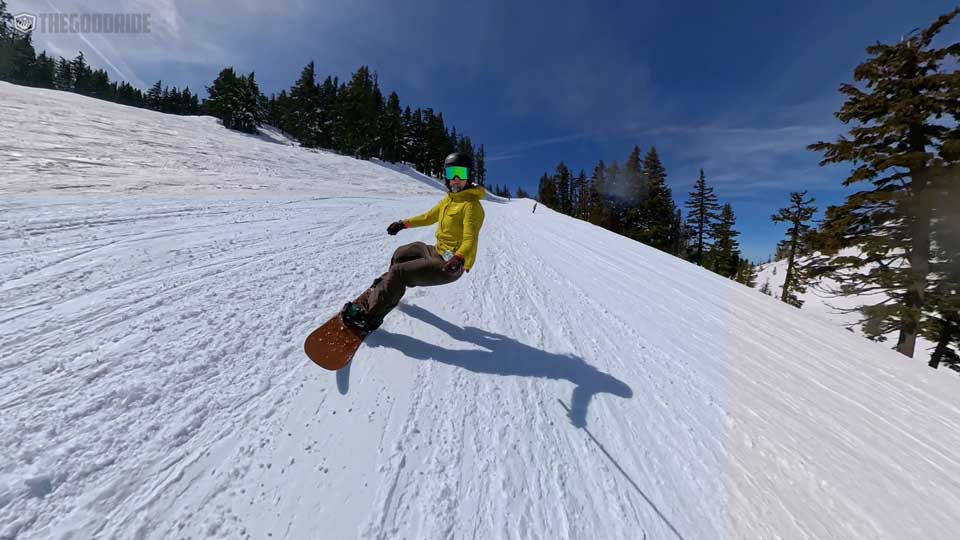
Turning / Carving
My first impressions of turning on the Time Thief were interesting. They were borderline baffling.
Turn initiation reminded me of the reaction I sometimes get from a wider board.
Instead of a slow, gradual initiation from the front foot through the back foot, the Time Thief just turned.
It got on edge, held that edge, and followed it all the way through the turn.
I realized a lot of this came from the softer torsional flex and that close-to-the-ground feel. Instead of waiting for the board to catch up with my input, it was already there.
I tested that reaction speed repeatedly in our bootlegged banked-slalom course, The Wiggle. It has deep corners, steep banks, and requires both control and effort.
The Time Thief did wonderfully.
It was incredibly controlled and balanced, and it held through the entire course.
This board isn’t hard to turn. It wants to turn. You just need to let it turn.
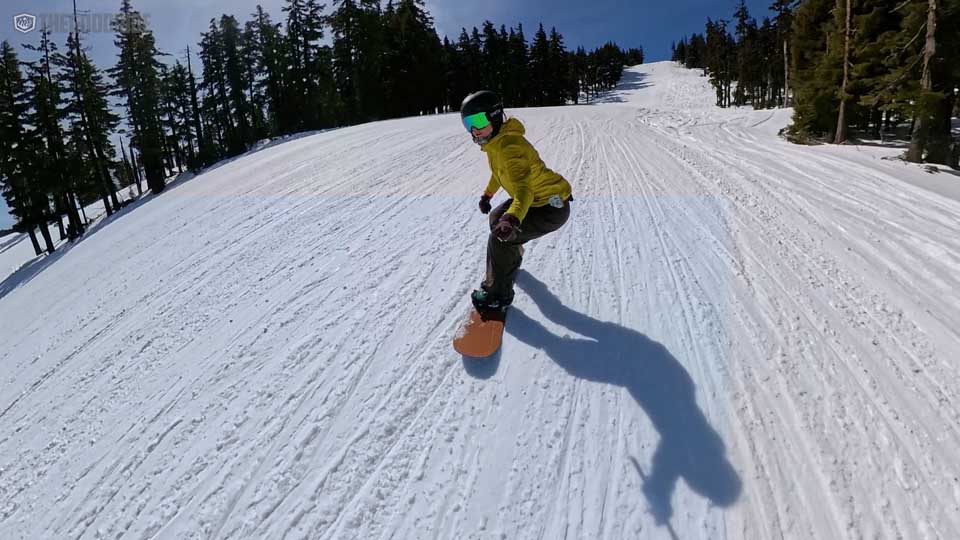
Speed
I found the Time Thief very comfortable at speed.
The damp feeling kept it composed, while the stiffer flex gave me plenty of board underneath me.
More importantly, I could maintain speed while turning.
I wasn’t just bombing or straight-lining it. I could carry speed into The Wiggle, load the board through the banks, and stay controlled all the way through the exit.
That revealed something important about this board:
The faster and harder I rode the Time Thief, the more accessible it became.
Base Glide
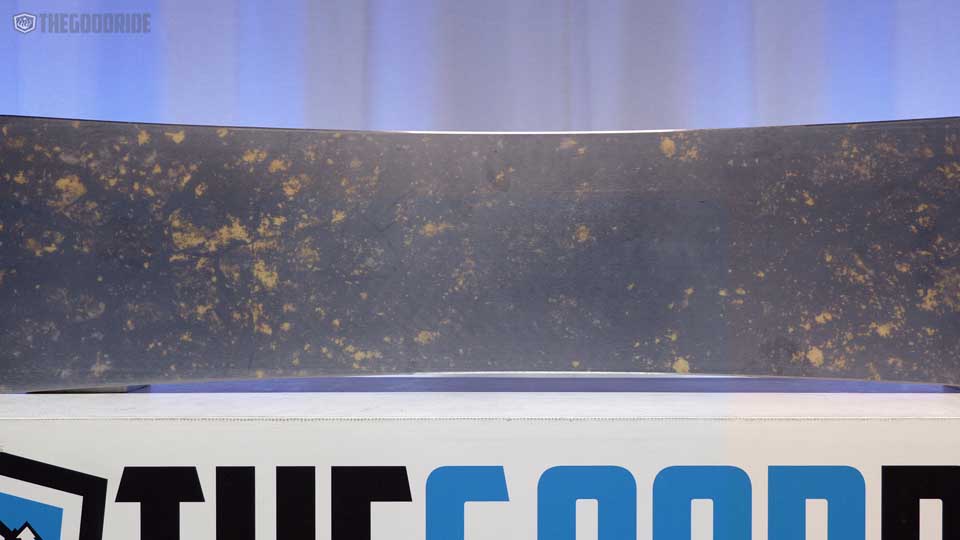
The Time Thief comes equipped with a sintered base.
It had pretty good glide when properly waxed. Wax retention was the bigger issue.
As the wax faded, I noticed a significant drop in speed. Because this board works better with some momentum, I noticed that loss of glide pretty quickly.
Keep it waxed. Maintain it. Take care of your stuff.

Powder
The 2025/26 season didn’t give me many powder days, so I wasn’t able to ride the Time Thief in true powder conditions.
Mechanically, however, it has several things working in its favor.
There is some taper and setback, rocker in the nose, and additional width through the nose. You can also move the stance considerably farther back if the resulting stance width works for you.
Based on the geometry, I would expect the Time Thief to handle occasional powder well, but that is a mechanical prediction rather than something I was able to verify on snow.
Final Thoughts
The thing that stayed with me most about the Burton Time Thief was the turning.
It reminded me of a stiffer, more aggressive, and more centered Counterbalance.
There is more effort involved, but there is also more board underneath you to push against.
The Wiggle was probably the best example. I rode it fast through that course more than ten times, pushed hard through the banks, and stayed controlled.
That’s where the Time Thief made the most sense to me.
It’s a mid-aggressive board. It isn’t especially light or effortless. But once I got it on edge, that effort started working in my favor.
The Time Thief makes you put something into the ride, but when it comes to turning, it gives you something back.
Burton Time Thief Specs
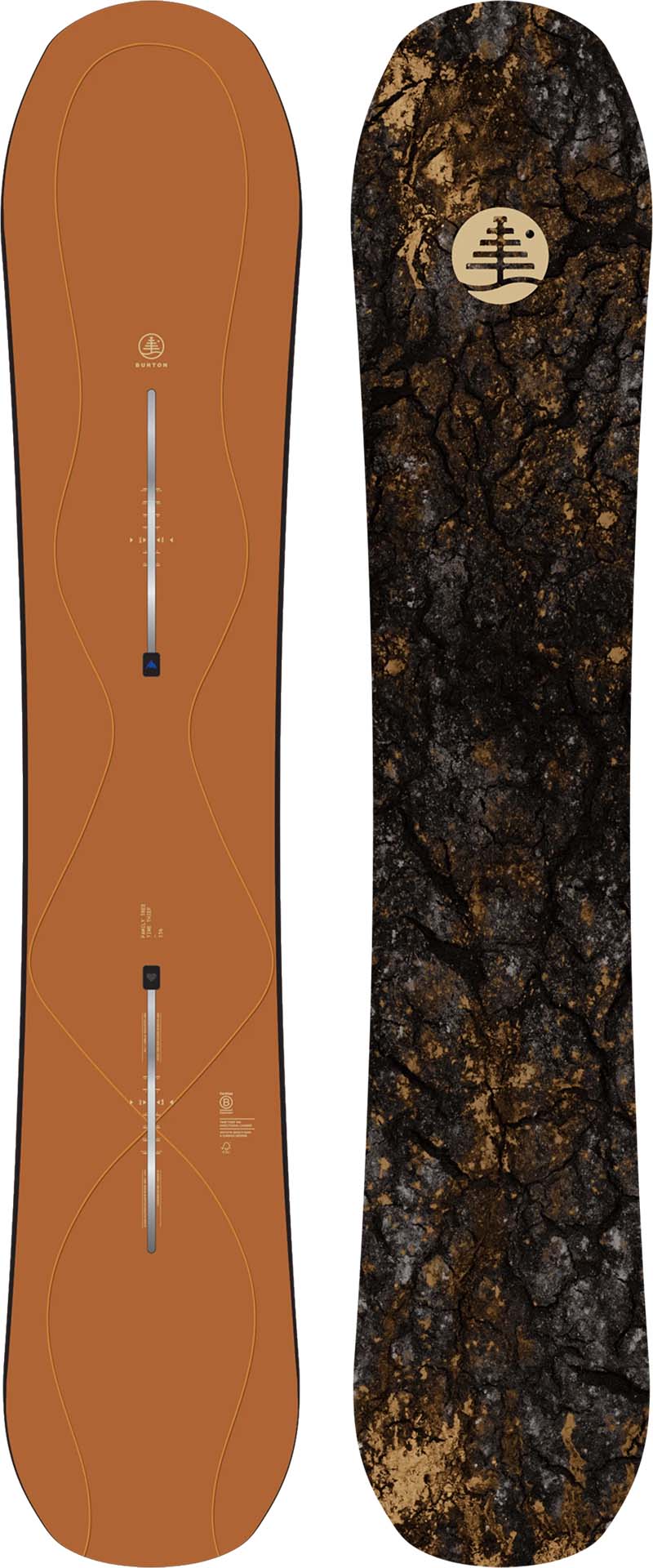
Burton Time Thief Images
We try to get as many images of the Burton Time Thief, but forgive us if they're not all there.
2027
Burton Time Thief User Reviews
Where To Buy
No obligation, but these links support the site.
Blauer Board Shop
evo
Blauer Board Shop
evo
No Results Found
No Results Found
Blauer Board Shop
evo
No Results Found
No Results Found
Where To Buy
No obligation, but these links support the site.
Blauer Board Shop
evo
No Results Found
No Results Found